

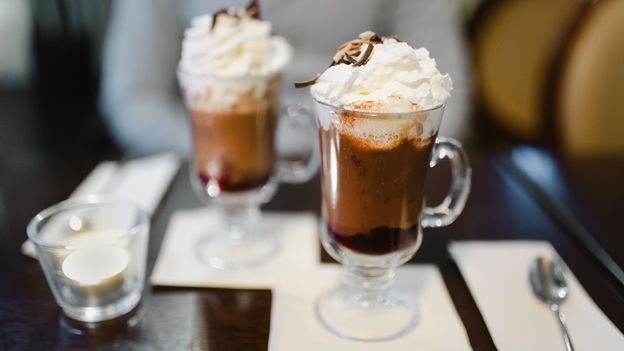
“Most Germans don’t know anything about German colonial history and therefore about the conference,” she explains. Lumumba often becomes part of the conversation. Visitors frequently recognise the name from the drink – but not the history behind it. “I ask them, do you know whom the drink was named after? They usually say ‘no’,” she explains. “This is where I tell the story. Then I ask how they feel about the name. Usually people are pretty shocked.”
For Schmidt, a historian specialising in the Holocaust, the reactions highlight a broader blind spot in Germany’s Erinnerungskultur (culture of remembrance). “The controversy has exposed a gap in historical awareness,” she says. “We learn a lot about the Third Reich, WWII and the Shoah. But colonialism and post-colonialism are not topics extensively taught at school or widely discussed in public.”
Rename or reclaim?
German municipalities have largely opted for recommendations rather than outright bans. In the city of Bremerhaven, authorities encouraged stallholders to avoid using the name this past Christmas. Many vendors had already opted for alternatives, such as “hot chocolate with rum”. Those who were still using the name experimented with variations like “Lümümba” or “cocoa with a shot”.
“Our visitors did engage in passionate discussions about whether and why a drink should have its name changed,” says Michael Gerber, head of Erlebnis Bremerhaven, the city’s marketing, events and tourism department. “Overall, however, there was more support for the recommendation than criticism.”
In Dresden, inspections of the city’s famous Striezelmarkt, Germany’s oldest documented Christmas market, found that two stallholders were still using the name; both changed it after discussions with the market’s management.
First Appeared on
Source link






Leave feedback about this