

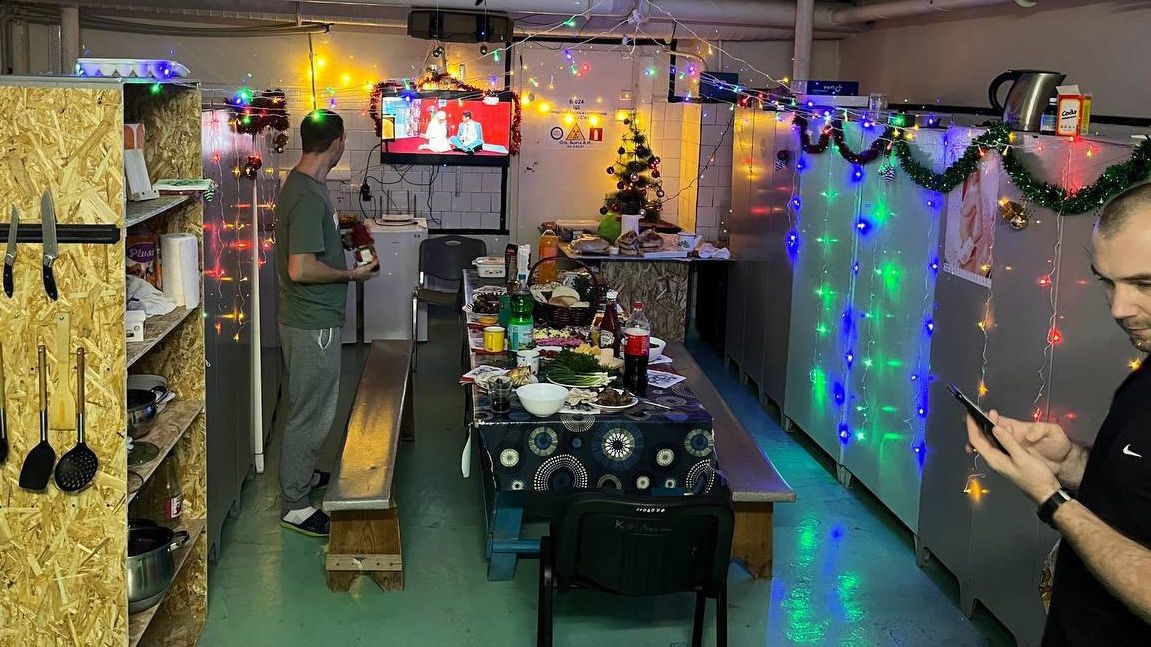
Rosatom workers use a plant room as a living space, with a kitchen setup and a festive table, at the Zaporizhzhia Nuclear Power Plant, as seen in a photo posted on Jan. 20, 2026. (Actual Enerhodar / Telegram)
When one thinks about the conditions at a nuclear power plant, the image that comes to mind would likely be very different from that which Russian workers at an occupied plant in Ukraine have created.
Russian workers brought in to operate the Zaporizhzhia nuclear power plant after it was seized in March 2022 have converted work areas into makeshift living quarters, which a former acting chief engineer said appears to violate plant safety rules and create a fire risk. Rosatom, the Russian nuclear giant, became the plant’s operator after the occupation.
Photos posted on Jan. 20 by Actual Energodar, a Telegram channel that publishes updates about Enerhodar and the occupied plant based in the city, show Rosatom workers using a plant room as a living space, with a kitchen setup and a festive table.
The channel’s administrators, who spoke to the Kyiv Independent on condition of anonymity, said the images circulated before New Year. They added that Russian workers spend almost all their time within the power plant’s facilities.
Oleh Dudar, the plant’s former acting chief engineer, told the Kyiv Independent that the footage was filmed inside one of the plant’s special service buildings, in a room workers use to change into protective clothing before entering restricted areas where exposure to radioactive substances is possible.
Dudar said using the space as living quarters and running multiple appliances could violate safety requirements and raise the risk of a fire that could have serious consequences.
He described the conditions created by Russian workers as “unacceptable at any facility,” especially at a nuclear power plant.
“Without (special) permits, no operation is possible. What we see there is a student dormitory. It’s a disgrace and a mess. It’s impossible to think that something like this could happen at a nuclear power plant,” Dudar said.
'Resort' at the nuclear power plant
The Russian workers treat their stay at the occupied nuclear plant as “a duty trip” to “a resort,” as one of them, in a private chat, unofficially called the power plant, according to the Actual Energodar administrators.
Russian workers are largely employed at other nuclear facilities in Russia, the channel administrator told the Kyiv Independent. The reference to a “resort” suggests they view the assignment as easier than their regular jobs in Russia, an idea reinforced by photos published on Telegram in August 2024 showing Russian workers having a barbecue near the plant.
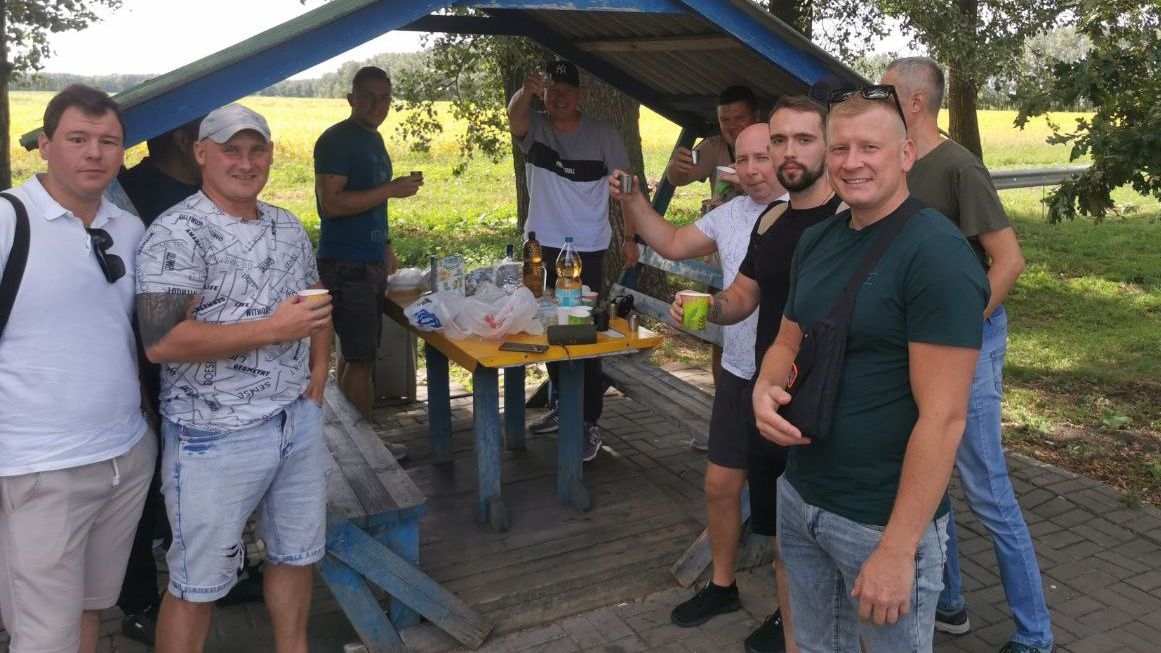
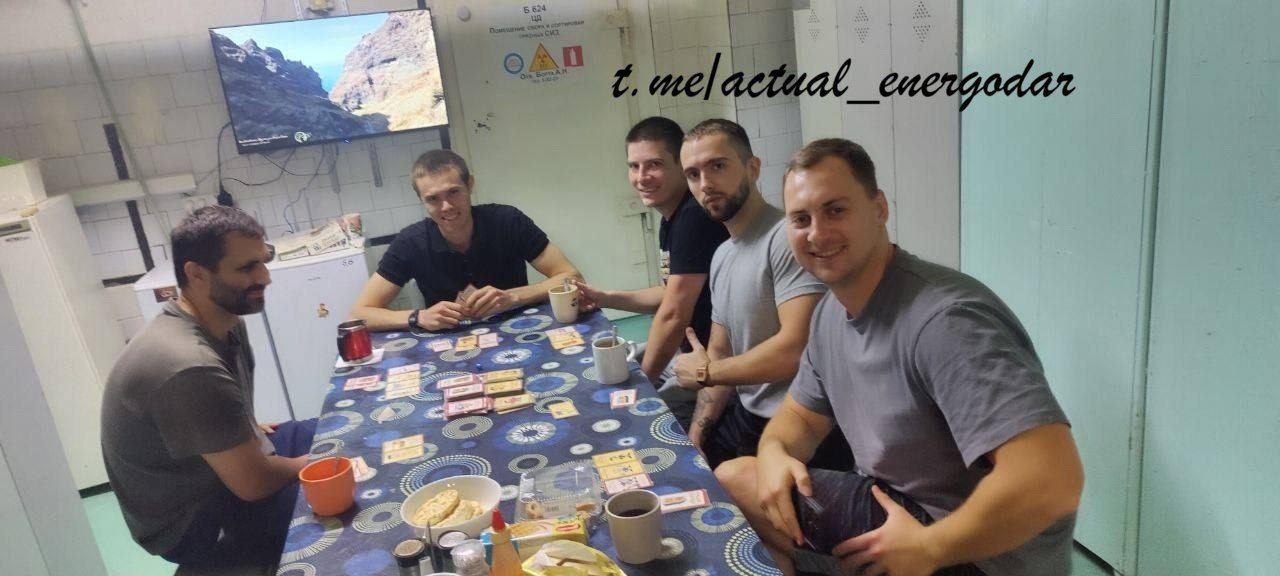
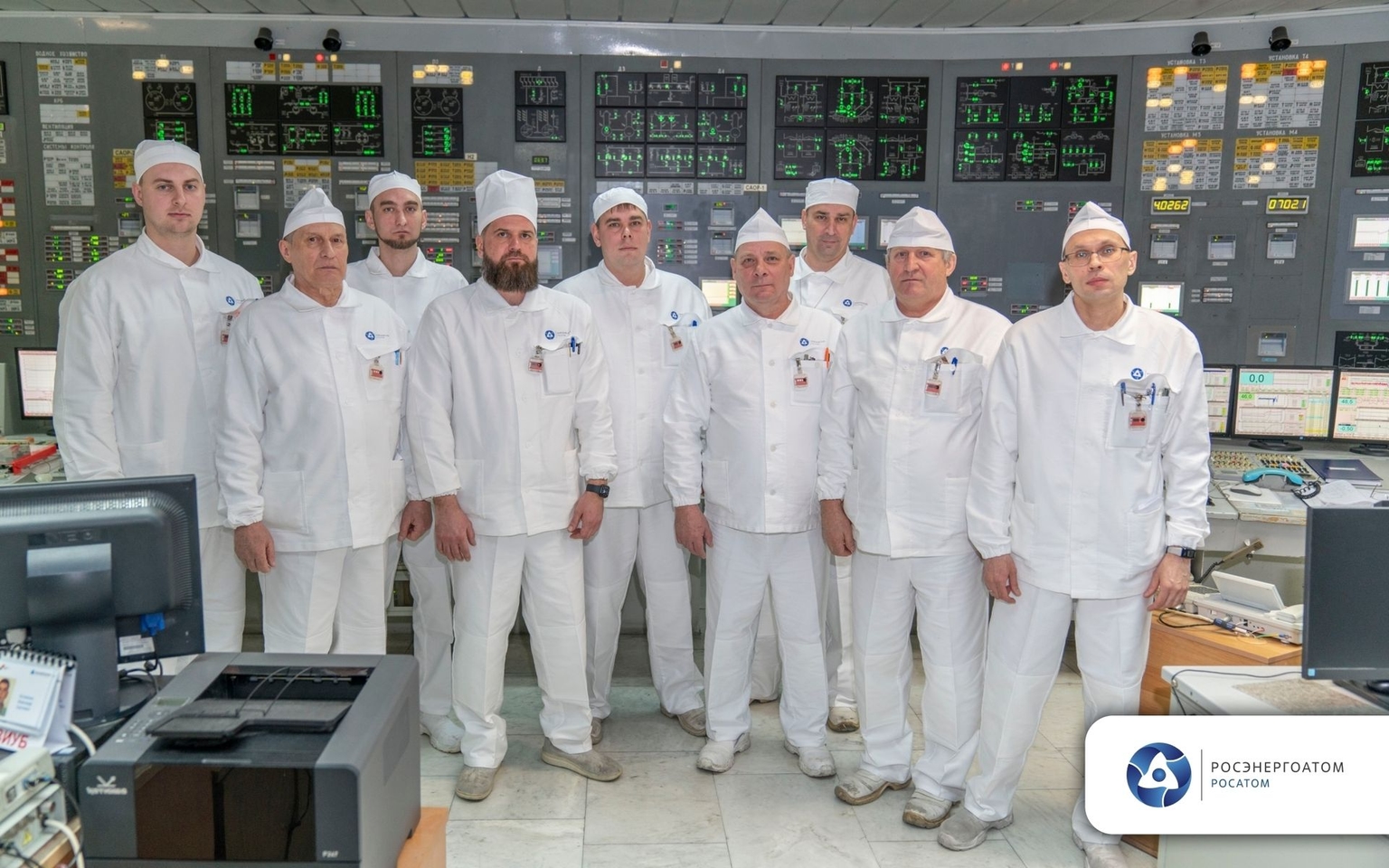
The Kyiv Independent used facial recognition software to identify the people shown in the footage and confirm they were Russian nuclear workers deployed to the occupied site.
One of them, Vladislav Gorykin, appears in a Rosenergoatom photo published Jan. 31, 2024, that identifies him as a worker at the Kursk nuclear power plant. Another, Artem Melnik, is from Volgodonsk in Russia’s Rostov Oblast and has worked at the Rostov nuclear power plant.
Restricted access to the city
Workers who come to the station from other nuclear plants in Russia’s regions have also complained that their wages are being cut and their access to the city is being restricted, the channel administrator said.
Russian workers previously received salaries from both their main job in Russia and from the occupied plant. Now, when employees work in occupied Enerhodar, they lose certain payments from Russian nuclear plants, and this time period is not counted toward work experience, the Telegram channel administrators told the Kyiv Independent.
If Russian workers who work and live at the plant want to visit the city of Enrehodar, they must provide their name, the time they plan to leave the Zaporizhzhia nuclear power plant’s territory, and the time they plan to return in a chat in one of the messaging apps.
“Every arrival at work was checked like in prison.”
“And if the ‘person in charge’ in that group does not put a ‘+’ on the message, then there will be no exit,” the administrator of the Telegram channel Actual Energodar said.
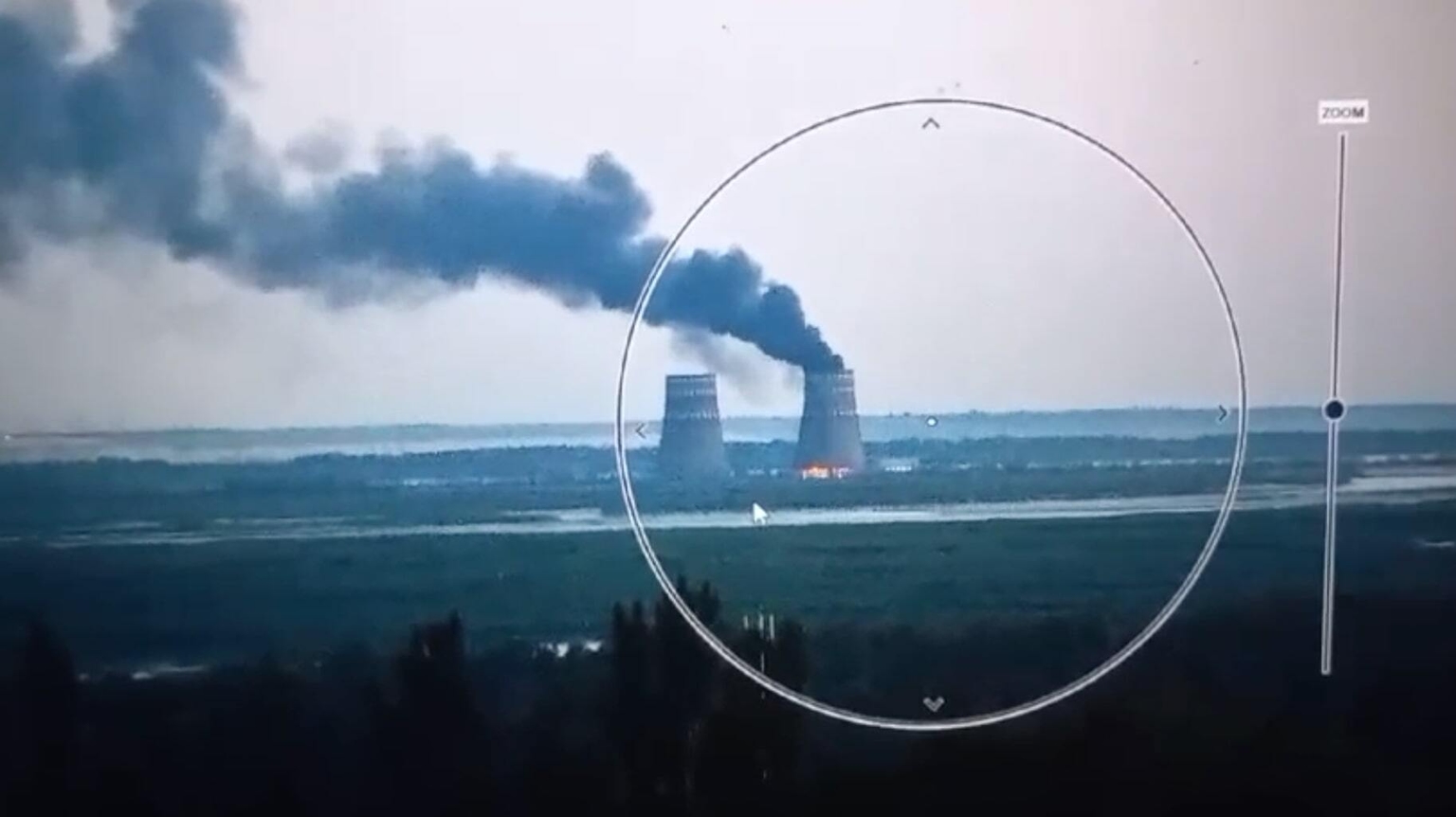
Several other sources speaking on the condition of anonymity told the Kyiv Independent that at the plant, almost everyone is in “a semi-imprisoned state,” including not only Ukrainian and Russian energy workers, but even the International Atomic Energy Agency (IAEA) monitoring mission, which has been stationed at the site since September 2022, though Russian occupation authorities have repeatedly restricted its access.
A soldier with the callsign “Black,” who served in the Russian army and later in Ukraine’s Russian Volunteer Corps, told the Ukrainian witness in video interview published Jan. 29 that the IAEA monitoring mission at the plant was severely restricted and tightly controlled. He said he also saw soldiers stationed both near and inside the facility.
“Every arrival at work was checked like in prison,” Black said.
The Kyiv Independent requested comment from the IAEA, but did not receive a response by the time of publication.
Rosatom and nuclear safety
Rosatom, the Russian nuclear giant, became the plant’s operator after the occupation. While its six reactors are shut down, it needs electricity to power the pumps that cool the reactor cores and spent fuel to avoid a nuclear meltdown.
Workers from several Rosatom’s nuclear plants have been coming to the occupied Enerhodar to replace those Ukrainian workers who managed to escape Russian occupation, were unlawfully detained, or were tortured to death by Russians.
An investigation by the Truth Hounds and Greenpeace Ukraine published on Sept. 24 detailed Rosatom’s role in pressuring plant staff, including torture, “including beatings, electrocution, sexual violence, mock executions, and threats to family members of detainees.”
The report indicated that 78 staff members were unlawfully detained, while six were “tortured to death.”
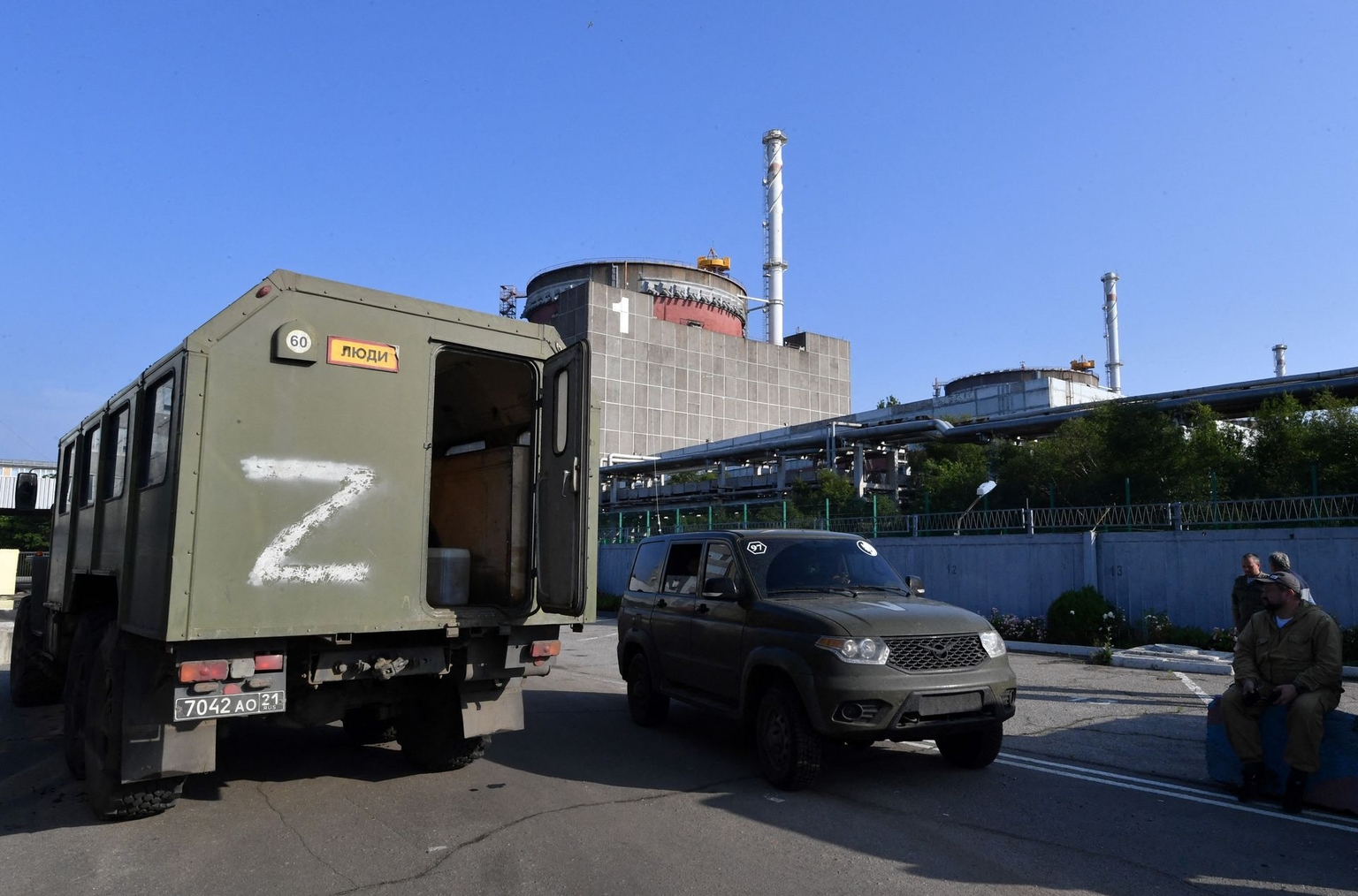
The conditions have led thousands of employees to flee or go into hiding — leaving just 22 licensed nuclear specialists where hundreds are needed to run the plant safely, a representative of Ukraine’s state-run nuclear firm Energoatom said at a briefing in Kyiv organized by Legal Action Worldwide on Feb. 23.
The staffing shortage and constant threats to employees are eroding nuclear safety at the plant, said Viacheslav Huba, chief consultant to the head of Energoatom.
Dudar said he had visited Rosatom facilities in Russia before 2014 as part of inspections for the World Association of Nuclear Operators, and he questioned the company’s ability to run the site safely under occupation.
“Rosatom does not know how to operate the stations for which they have taken responsibility,” he said.
Jan Vande Putte, a nuclear expert at Greenpeace, told the Kyiv Independent that numerous, severe human rights violations combined with a lack of maintenance, training, staffing, and poor working conditions are “compromising nuclear safety.”
An issue in peace negotiations
Since the full-scale invasion, the Zaporizhzhia plant has faced repeated safety concerns, including power outages, nearby attacks, and staff shortages.
On Sept. 23, 2025, Russian troops reportedly struck a power line, causing critical conditions at the plant, severing the plant’s connection to Ukraine’s electrical grid and causing the longest blackout in the station’s history, which lasted a month.
Control of the plant remains a contentious issue in U.S.-mediated peace negotiations between Ukraine and Russia. Under a U.S.-backed framework, the facility would be jointly operated by Ukraine, the United States, and Russia, with economic benefits shared among the parties.
Kyiv fears this proposal would effectively legitimize Russia’s occupation of the plant.
Investigative reporter Linda Hourani contributed to this reporting.
First Appeared on
Source link





Leave feedback about this