

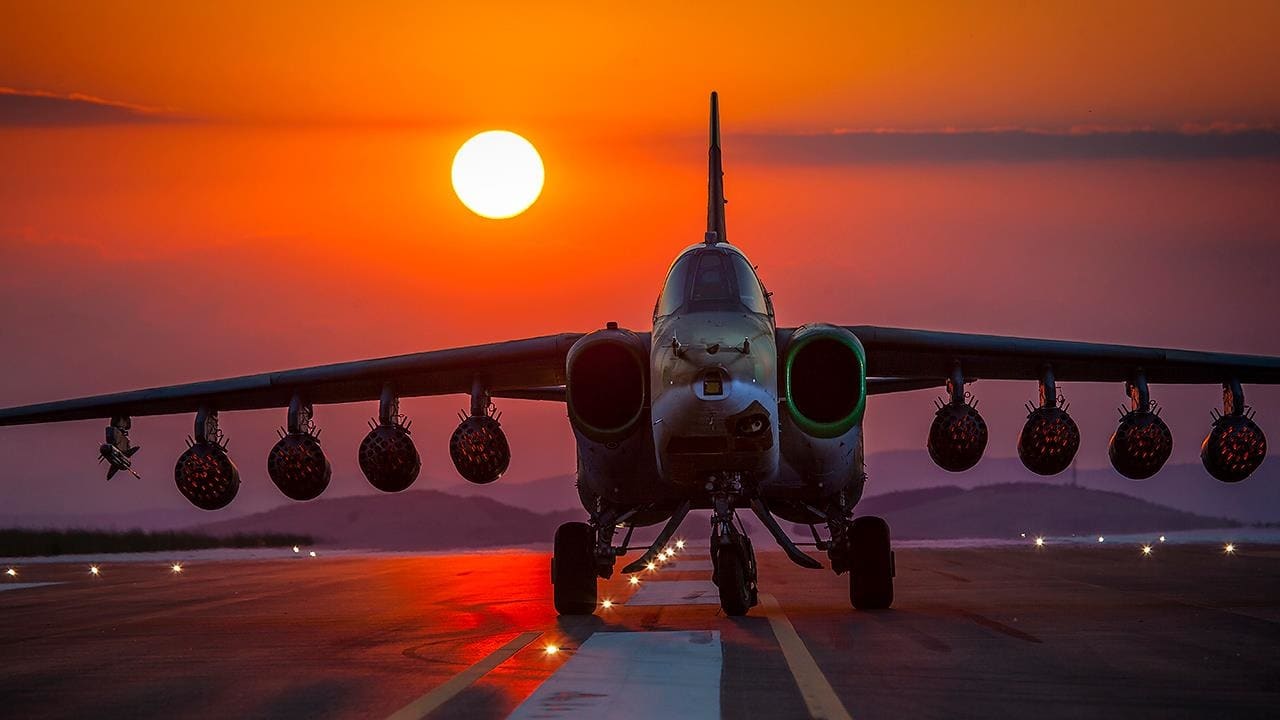
Summary and Key Points: As the war enters its fifth year, Russia’s control of eastern Ukraine increasingly resembles a Pyrrhic victory.
-While Moscow has successfully transitioned to a war economy, the structural costs are immense: an estimated 1.2 million casualties have created a generational labor deficit, and the annual €250 billion military spend is cannibalizing civilian infrastructure.
-Geopolitically, the invasion triggered the exact outcome it sought to prevent—NATO expansion.
-With Finland and Sweden now fully integrated, Russia’s northern flank is permanently exposed, and a reinvigorated alliance is outspending Moscow in a new, high-tech arms race that Russia’s sanctioned economy cannot sustain.
Russia’s War in Ukraine Doesn’t Look Anything Like Victory
Four years after Russian forces crossed into Ukraine on February 24, 2022, there is still no comprehensive peace agreement in place, and the war appears unlikely to end anytime soon.
Russia has adapted its economy and military to sustain the conflict for years if necessary, even as economic pressures mount and battlefield deaths mount. Yet the anniversary of the conflict raises an important question: even if Russia eventually secures some or all of the territorial objectives it initially demanded when the “special military operation” began, has it already paid such a steep price that the outcome may amount to a long-term strategic loss?
U.S. Soldiers, assigned to the 1st Battalion, 64th Armor Regiment, 1st Armored Brigade Combat Team, 3rd Infantry Division, conduct gunnery with M1A2 Abrams tanks during exercise Combined Resolve V at 7th Army Joint Multinational Training Command in Grafenwoehr, Germany, Oct. 8, 2015. Combined Resolve is designed to exercise the U.S. Army’s regionally aligned force to the U.S. European Command area of responsibility with multinational training at all echelons. Approximately 4,600 participants from 13 NATO and European partner nations will participate. The exercise involves around 2,000 U.S. troops and 2,600 NATO and Partner for Peace nations. Combined Resolve is a preplanned exercise that does not fall under Operation Atlantic Resolve. This exercise will train participants to function together in a joint, multinational and integrated environment and train U.S. rotational forces to be more flexible, agile and to better operate alongside our NATO Allies. (U.S. Army photo by Visual Information Specialist Gertrud Zach/released)
Russia currently controls around one-fifth of Ukraine’s territory, and its forces continue to fight a grinding war of attrition. But the cumulative military, economic, and even geopolitical costs, coming at a time when NATO is allocating more resources to its defensive and warfighting capabilities, suggest that territorial gains alone may not determine whether Moscow actually achieves victory.
Russia Can Sustain the War – But Sustainability Is Not Victory
As the war enters its fourth year, Russia continues to prove it is capable of fighting – and maintaining its economy – despite unprecedented sanctions and losses. Moscow has restructured its economy around wartime production and increased defense spending, leveraging its energy revenues and alternative trading partners to sustain its military effort.
Much of the war has been funded through past oil windfalls and reserves, however, and many of those resources are becoming increasingly strained as the conflict drags on.
Some recent assessments of the conflict have also concluded that Russia’s war economy is showing mounting structural stress, including slowing industrial growth and technological constraints (caused by sanctions), even as it continues to produce weapons and mobilize troops.
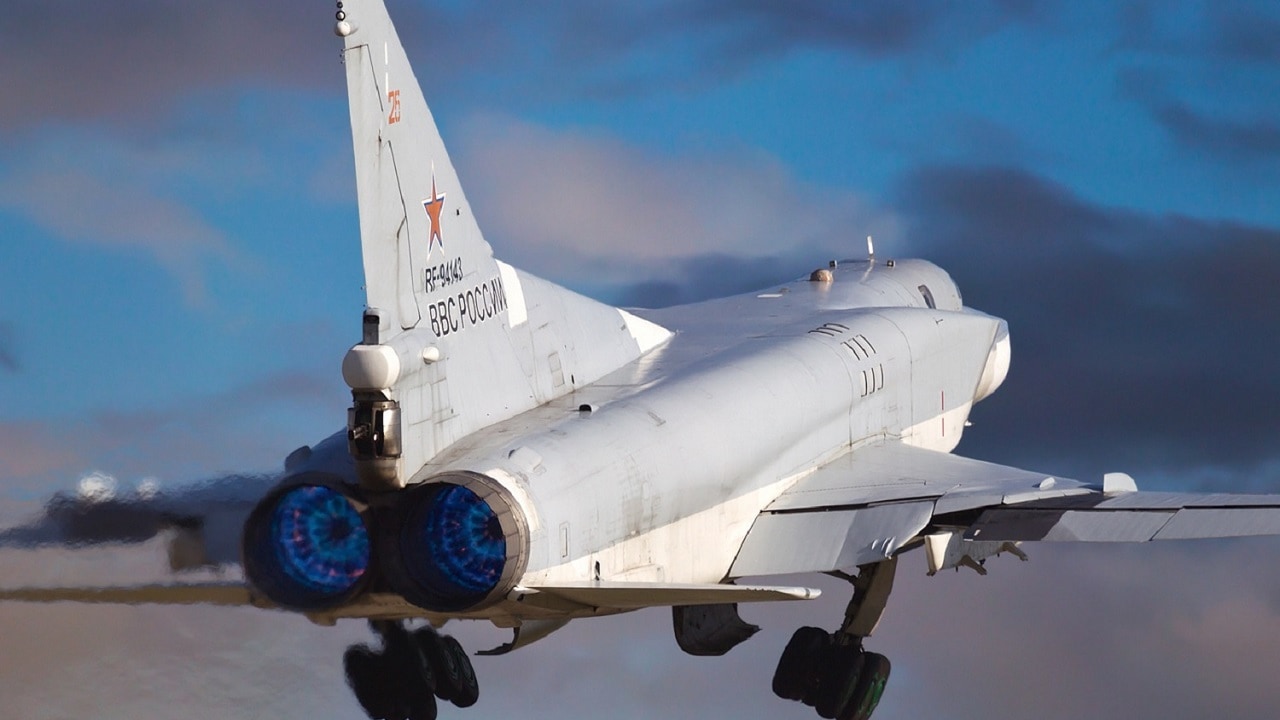
Russian Air Force Tu-22M3M. Image Credit: Creative Commons.
The economic data also paints a grim picture, showing stagnating growth, rising taxes, and reduced civilian spending as the government prioritizes military funding. It means that the war, while it may technically remain viable for some time, requires ongoing domestic sacrifices.
Russia can continue fighting for several more years if necessary, but the ability to continue fighting indefinitely does not itself define victory. A war of attrition may preserve Russia’s presence on the battlefield, but it is also steadily eroding the country’s military capabilities and economic strength, thereby making recovery increasingly difficult once a deal is eventually made.
Massive Military Losses Have Permanently Degraded Russian Power
The war has inflicted staggering losses on the Russian military, with the latest assessments suggesting a total of 1.2 million Russian casualties throughout the war – dwarfing all of its conflicts since the end of the Second World War.
The losses have forced Russia to mobilize reservists and recruit prisoners, meaning that it is not relying on less experienced personnel to replenish its forces. In addition to battlefield losses, Russia is also facing a growing labor shortage exacerbated by military casualties and conscription. Projections now suggest that Russia will face a workforce deficit of millions in the coming decades.
Those losses represent something much more than just a short-term tactical setback. Lives lost are lives lost permanently, and Russia has weakened its conventional military strength and uses huge amounts of its resources. It has reduced its ability to project power elsewhere and is increasing the time required to rebuild its forces with every day that goes by.
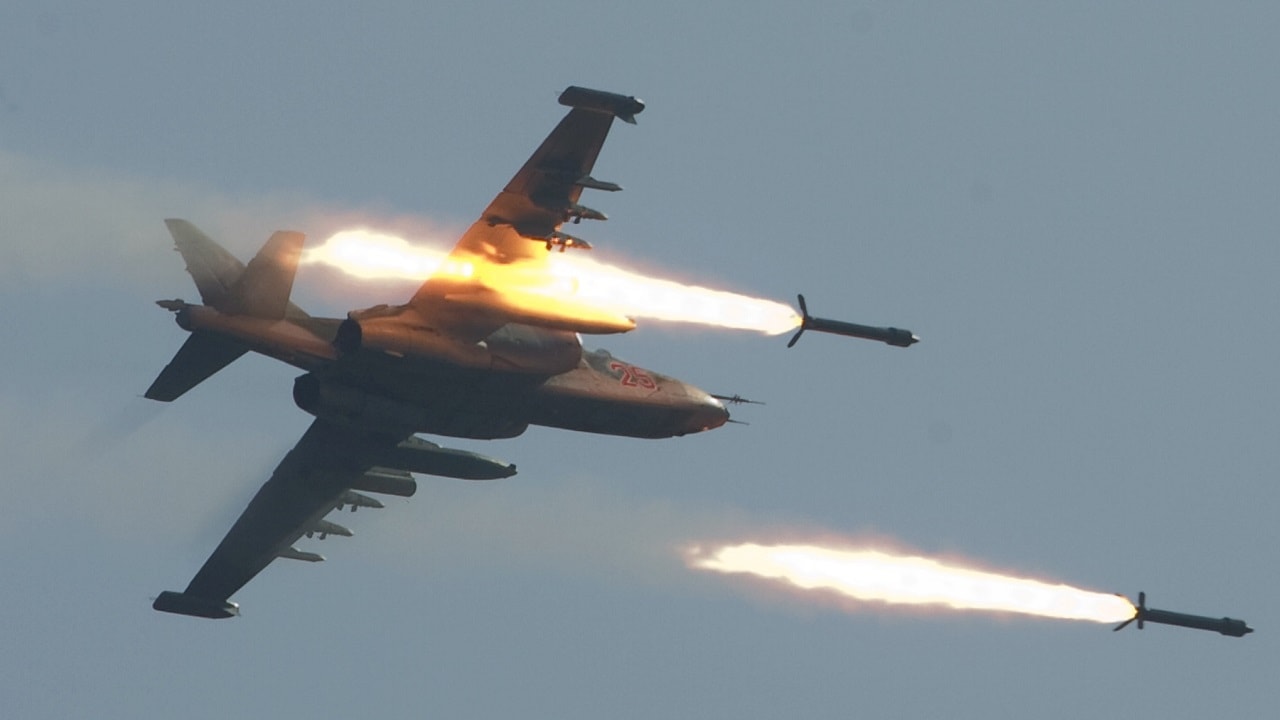
Su-25 Frogfoot in operations in Syria. Image Credit: Creative Commons.
Even if Russia eventually consolidates control over parts of eastern Ukraine, it will have done so at the cost of sacrificing a substantial portion of its military strength and its ability to deter adversaries.
NATO Expansion Has Undermined Russia’s Strategic Objectives
One of Russia’s primary justifications for invading Ukraine was its stated goal of preventing NATO expansion and reducing Western military influence near its borders. Instead, the war has produced the opposite result.
Finland and Sweden, historically neutral countries, joined NATO in direct response to Russia’s invasion, dramatically altering the alliance’s geographic and strategic posture. Their accession has strengthened NATO’s military capabilities and expanded its presence along Russia’s northern flank. Their membership has fundamentally reshaped Russia’s security environment, creating new military challenges for Moscow and strengthening Western deterrence.
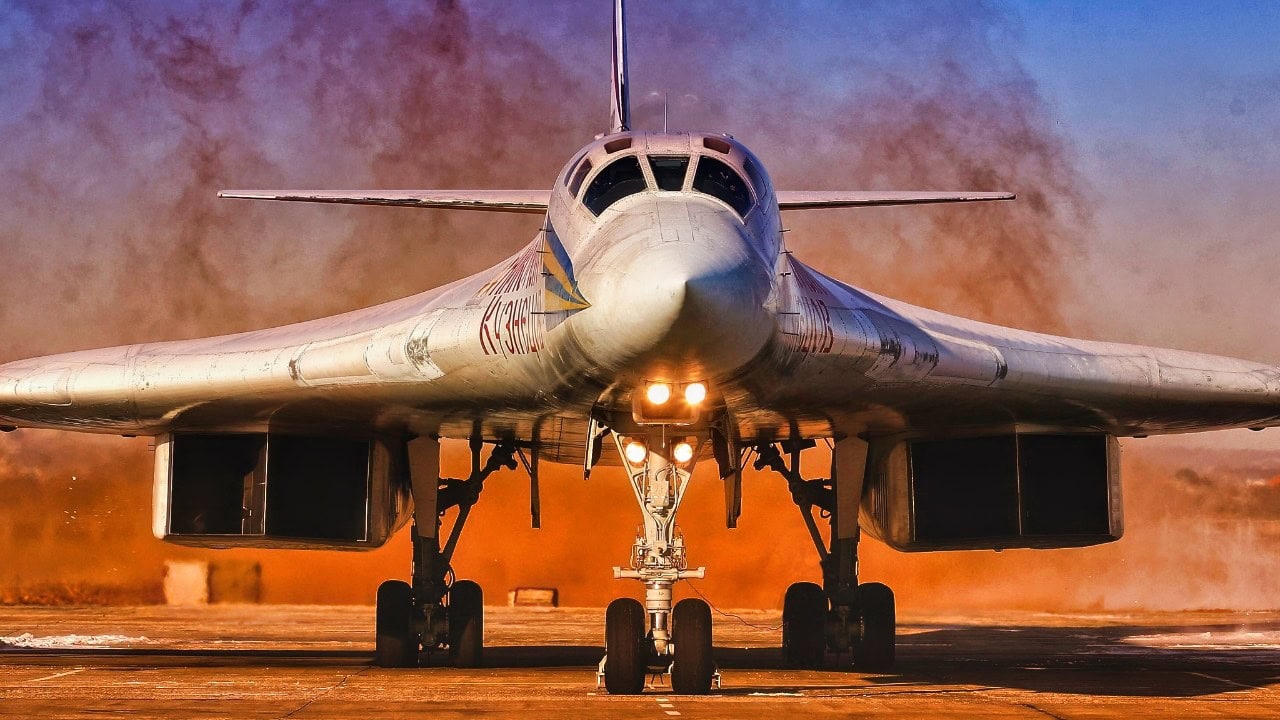
Tu-160 Bomber from Russia. Image Credit: Creative Commons.
The war has also reinvigorated NATO as a political and military alliance. Defense spending across Europe has increased, and NATO countries have provided hundreds of billions of dollars in military and economic assistance to Ukraine. At the same time, NATO’s overall military strength – from personnel to aircraft and naval forces – remains significantly larger than Russia’s.
Rather than weakening NATO, the war has strengthened it – one of the clearest examples of how Russia’s invasion may have undermined its own long-term strategic objectives.
The Economic Damage Could Last Decades
The economic consequences of the war may prove to be among its most enduring costs. Russia’s economy is facing stagnation, and growing structural weaknesses across various industries are diverting resources toward military spending. At the same time, sanctions and trade restrictions have reshaped Russia’s economy, forcing it to rely more heavily on internal reserves and higher taxes while cutting civilian spending.
The war itself is enormously expensive, costing Russia an estimated €250 billion per year. Energy revenues – long the backbone of the Russian economy – have also declined significantly, forcing the government ot increase borrowing and reallocate spending. Beyond the immediate financial costs, though, the war has triggered long-term economic damage that will threaten Russia’s economic potential for years to come and could permanently reduce its growth trajectory.
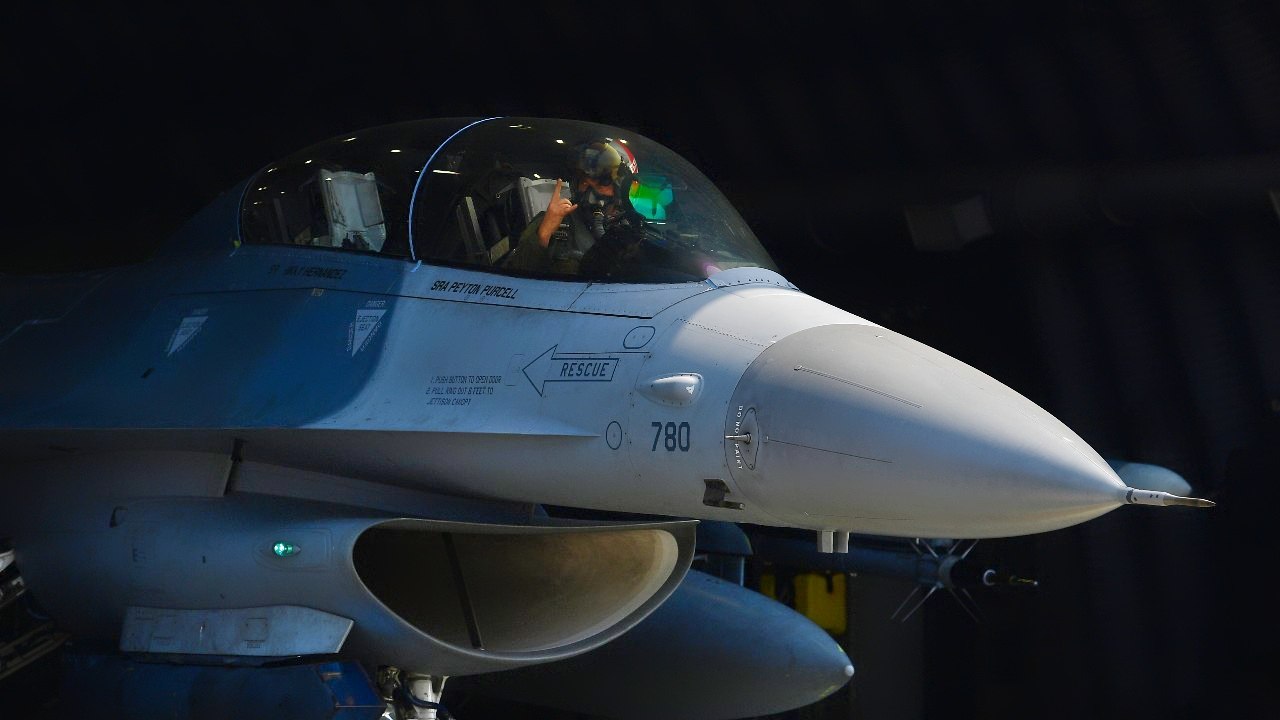
Capt. Michael Terry, 36th Fighter Squadron F-16 pilot, prepares to launch at Osan Air Base, Republic of Korea, July 9, 2020. The 36th Aircraft Maintenance Unit and the flight line operators wokred to make this aircraft mission-capable after being grounded for 186 days. (U.S. Air Force photo by Senior Airman Noah Sudolcan)
Russia may still achieve some or all of its original territorial objectives – particularly in eastern Ukraine. Any eventual peace agreement could also allow Moscow to retain control over the land it currently occupies. In fact, that seems increasingly likely.
But the broader strategic consequences of this prolonged war, now entering its fifth year, suggest that even a Russian success will come at a heavy price.
About the Author: Jack Buckby
Jack Buckby is a British researcher and analyst specialising in defence and national security, based in New York. His work focuses on military capability, procurement, and strategic competition, producing and editing analysis for policy and defence audiences. He brings extensive editorial experience, with a career output spanning over 1,000 articles at 19FortyFive and National Security Journal, and has previously authored books and papers on extremism and deradicalisation.
First Appeared on
Source link





Leave feedback about this