

The stock market has been practically unstoppable over the last seven years. With the exception of 2022, the widely followed S&P 500 (SNPINDEX: ^GSPC) has gained at least 16% in the other six years. We’ve also witnessed the mature stock-driven Dow Jones Industrial Average (DJINDICES: ^DJI) and growth stock-propelled Nasdaq Composite (NASDAQINDEX: ^IXIC) climb to several record highs.
But when it seems that Wall Street can do no wrong is often when things do tend to go awry. While there is no shortage of headwinds for the stock market at present, perhaps nothing looms larger than the upcoming transition at the Federal Reserve.
Where to invest $1,000 right now? Our analyst team just revealed what they believe are the 10 best stocks to buy right now, when you join Stock Advisor. See the stocks »
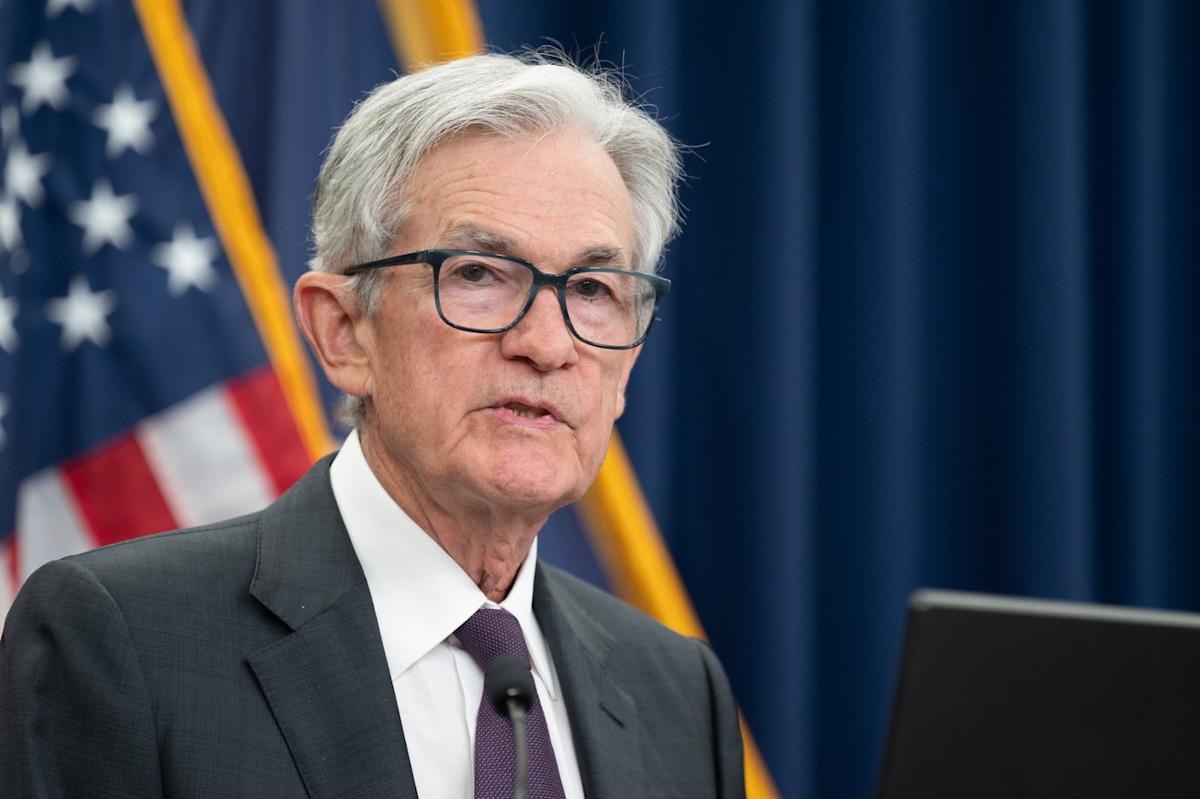
On May 15, Jerome Powell’s latest four-year term as Fed chair will end. With President Donald Trump a vocal critic of Powell’s oversight at America’s foremost financial institution over the last year, it’s been a foregone conclusion for some time that Powell wouldn’t serve as Fed chair beyond his current term.
On Jan. 30, President Trump nominated Kevin Warsh to succeed Powell. Although Wall Street has mostly shrugged off this news, it may come with unintended consequences for stocks.
To some extent, Trump’s nomination of Warsh was viewed as a way to calm nerves on Wall Street. Warsh previously served on the Board of Governors of the Federal Reserve from February 24, 2006 — March 31, 2011. His time on the Federal Open Market Committee (FOMC) — the 12-person body responsible for setting and overseeing our nation’s monetary policy — provides the experience investors look for in an incoming Fed chair.
However, Warsh’s track record as a voting member of the FOMC, along with his opinion(s) that were laid out in several speeches, may give investors pause.

For instance, Warsh has long held the belief that the nation’s central bank shouldn’t be an active market participant. He’s been particularly critical of the Fed’s balance sheet, which currently holds approximately $6.6 trillion of assets — mostly U.S. Treasury bonds and mortgage-backed securities (MBS).
During periods of economic uncertainty, the Fed has purchased long-term Treasury bonds and/or MBSs to lower long-term interest rates and/or support the housing market. It’s important to note that bond yields and prices are inversely related. Thus, buying bonds and increasing their price results in lower yields and, ultimately, lower lending rates.
First Appeared on
Source link





Leave feedback about this