

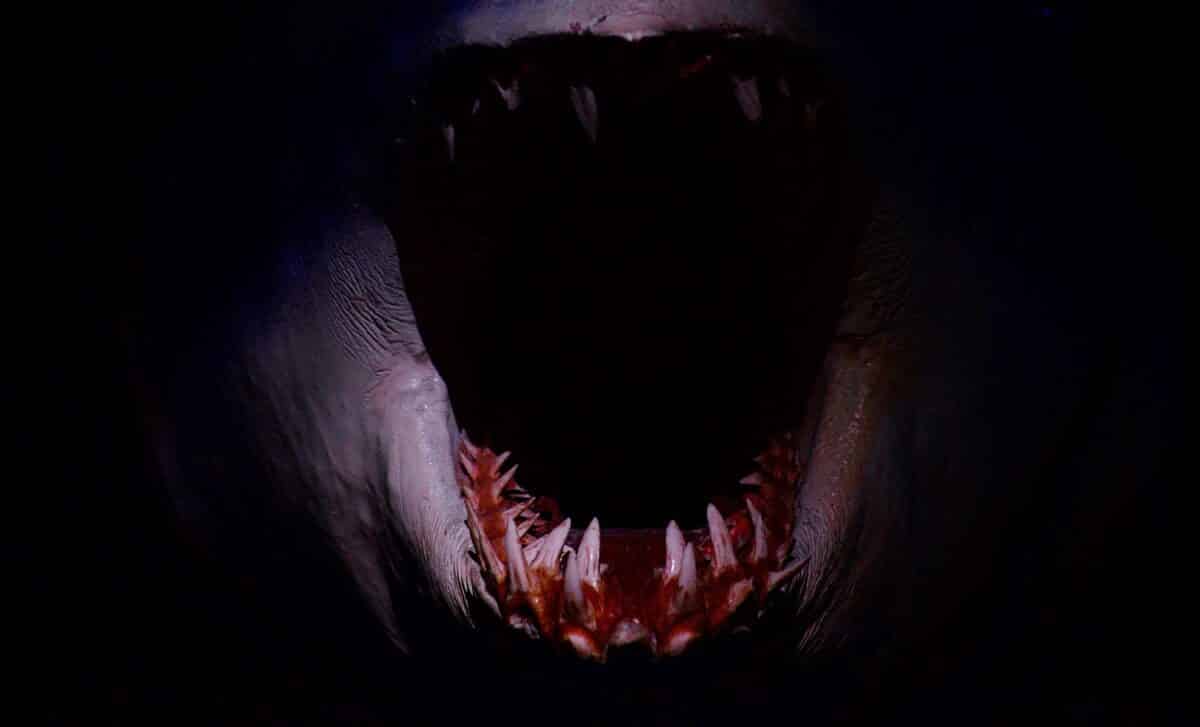
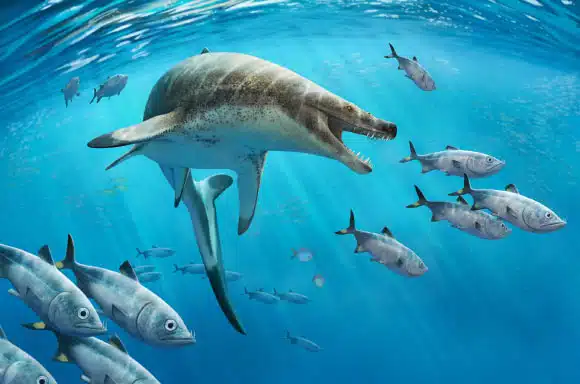
A newly discovered fossil marine lizard withrazor-sharp teeth is offering scientists a rare glimpse into life at the very end of the dinosaur age. Called Khinjaria acuta, this fierce predator roamed the waters off what is now Morocco about 66 million years ago, and its remains reveal an ocean packed with massive hunters, nothing like the seas we know today.
Described in a study, the species belonged to the family Mosasauridae, a group of large marine lizards related to modern Komodo dragons and snakes. These reptiles ruled the oceans during the Late Cretaceous, at the same time that dinosaurs such as Tyrannosaurus and Triceratops dominated land environments.
The fossil, consisting of a skull and parts of the skeleton, was recovered from a phosphate mine southeast of Casablanca. The research brought together scientists from the University of Bath, the Marrakech Museum of Natural History, the Muséum national d’Histoire naturelle in Paris, Southern Methodist University, and the University of the Basque Country.
A Predator Armed With Dagger-like Teeth
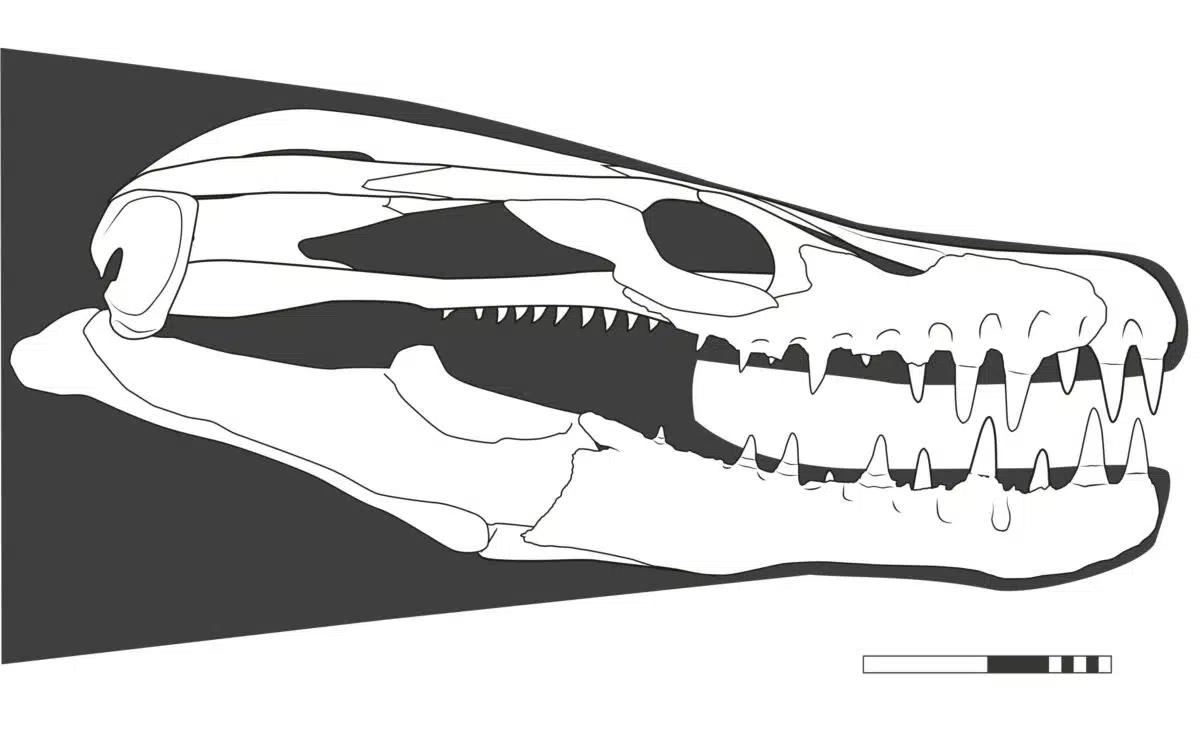
At first glance, Khinjaria acuta stands out for its skull. The animal had a short, powerful snout packed with long, dagger-shaped teeth designed to seize prey. According to Professor Nour-Eddine Jalil of the Muséum national d’Histoire naturelle, the elongation at the back of the skull accommodated strong jaw muscles, suggesting a formidable biting force.
Unlike other mosasaurs known from the same deposits, whose teeth were adapted for crushing or slicing, Khinjaria’s dentition appears specialized for piercing and gripping. This distinction adds to the growing list of tooth morphologies identified in Moroccan mosasaurs.
The fossil evidence, reported in Cretaceous Research, is based strictly on the recovered skull and associated remains, yet even this partial material reveals a highly specialized hunter operating at the top of its food chain.
A Sea Filled With Giant Hunters
The broader significance of the discovery lies in the ecosystem it represents. As stated by Dr. Nick Longrich of the University of Bath, the Late Cretaceous seas off Morocco hosted multiple species that grew larger than a modern great white shark. Each of these predators displayed different tooth shapes, implying distinct feeding strategies.
Some mosasaurs had teeth suited for piercing prey, others for cutting, tearing, or crushing. The addition of Khinjaria, with its short face and oversized blade-like teeth, further expands this range. As Dr. Longrich explained:
“There seems to have been a huge change in the ecosystem structure in the past 66 million years. This incredible diversity of top predators in the Late Cretaceous is unusual, and we don’t see that in modern marine communities.”
Today’s oceans are dominated by a relatively small number of apex predators, including orcas, white sharks, and leopard seals.
Morocco’s Phosphate Turning Point
The extraordinary diversity recorded in Morocco’s phosphate deposits is linked to the environment in which they formed. Professor Nathalie Bardet noted that the region was once a shallow, warm epicontinental sea influenced by upwellings, currents that brought cold, nutrient-rich waters to the surface. She added that:
“These zones are caused by currents of deep, cold, nutrient-rich waters rising towards the surface, providing food for large numbers of sea creatures and, as a result, supporting a lot of predators. This is probably one of the explanations for this extraordinary paleo biodiversity observed in Morocco at the end of the Cretaceous.”
The same deposits have yielded species such as Thalassotitan, the saw-toothed Xenodens, and the star-toothed Stelladens. Professor Jalil noted that no other deposit has provided so many fossils and species from this closing chapter of the dinosaur age.
First Appeared on
Source link





Leave feedback about this