

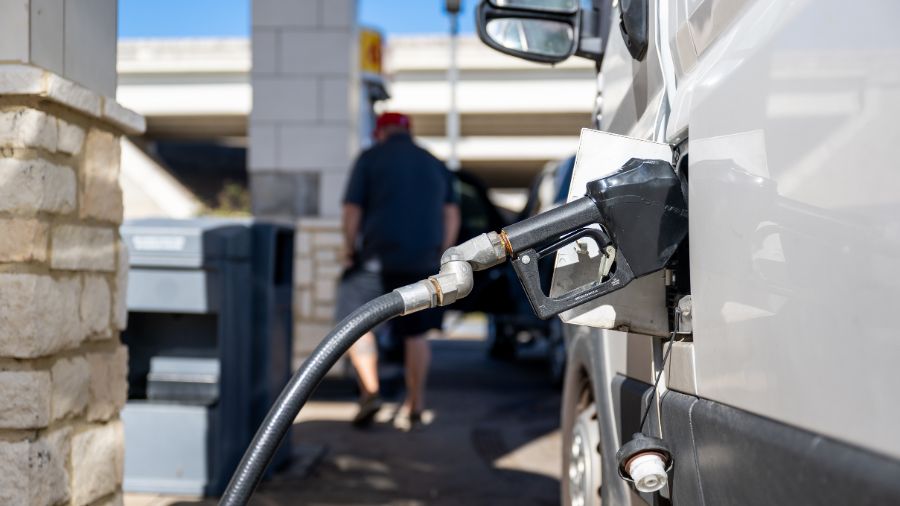
Washington’s gas prices are soaring this February.
The average cost of a gallon of regular has gone up 40 cents in the last month, while the national average has only risen by a dime. According to AAA, the Washington average gas price is $4.23 per gallon. The national average is just $2.93.
Washington has the second-highest gas prices in the nation today, behind only California. Oregon’s average is $3.80. Idaho’s is $2.96.
Washington’s gas tax is now $0.55 gallon and set to go up again in July. Most of the price disparity can be attributed to that and the state’s carbon taxes, which are approximately 40-50 cents per gallon. Certainly a lot more than the “pennies” promised by CCA supporter, former Governor Jay Inslee.
The CCA has generated more than $4 billion in taxes since its creation in 2021. The state has refused to release any data on whether these taxes have actually impacted the climate in any way, though it is required to under the law.
Working families bear the burden
On “The Gee & Ursula Show” earlier this month, KIRO host Gee Scott blamed the state’s Climate Commitment Act (CCA), which requires fuel suppliers to purchase emissions allowances, as the key culprit.
“That cost gets passed directly to all of us at the pump,” Scott said, adding that Washington’s higher gas taxes, limited fuel pipelines, shipping rules, and low competition at gas stations also contribute to the sticker shock.
Gee emphasized that it’s mostly working families who bear the brunt of the burden.
“This is hitting hardest for people who are barely able to afford living here,” Gee said. “Working families are making tough choices about trips or even getting to work, while the people setting these policies don’t even notice the prices.”
Both hosts criticized the state for a lack of transparency regarding the environmental payoff of the CCA. Scott cited a recent report revealing that claimed emissions reductions were overstated by orders of magnitude — 7.5 million metric tons revised to just 78,000 tons.
“Billions of dollars have been raised, but there’s no way of tracking what’s actually working to help the environment,” Gee said.
KIRO host Ursula Reutin echoed the sentiment, stressing that policy costs should not outweigh tangible benefits.
“Until the state can show this policy actually works, maybe they should focus on lowering our gas prices,” she said.
Chris Sullivan is a traffic reporter for KIRO Newsradio. Read more of his stories here. Follow KIRO Newsradio traffic on X.
Follow @https://twitter.com/newsguysully

First Appeared on
Source link



Leave feedback about this