

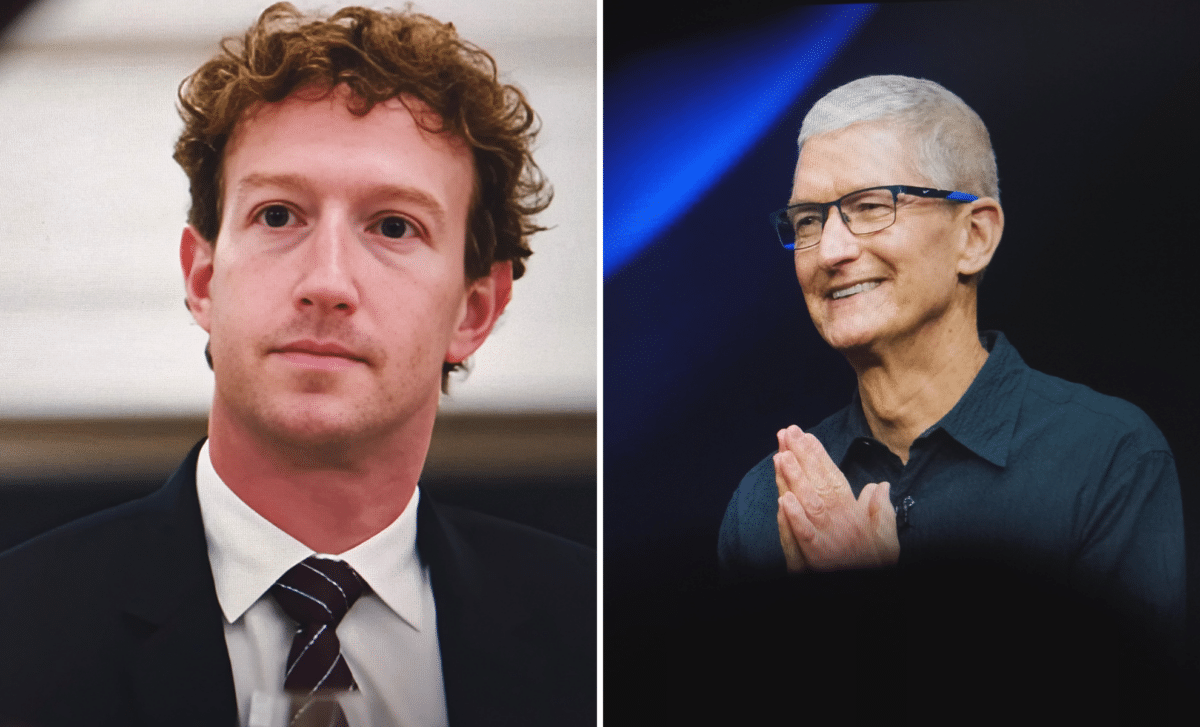
A high-profile civil trial in Los Angeles is placing Mark Zuckerberg and Meta under intense scrutiny over allegations that Instagram contributed to a young user’s mental health struggles, according to a detailed report by CNBC.
Inside The Courtroom As Zuckerberg Defends Meta’s Practices
Mark Zuckerberg’s testimony has provided a detailed look into how he views responsibility, platform design, and corporate authority. The Meta CEO appeared in court to address claims that Instagram’s structure may have played a role in harming young users.
During questioning, Zuckerberg described outreach efforts to industry peers.
“I thought there were opportunities that our company and Apple could be doing and I wanted to talk to Tim about that,” Zuckerberg said.
When confronted with prior internal communications, he acknowledged the tone reflected in them.
“It sounds like something I would say and something I feel,” Zuckerberg replied. “It feels a little overbearing.”
Questioning then shifted to his philosophy on content moderation and expression. “I genuinely want to err on the side of giving people the ability to express themselves,” Zuckerberg said, reinforcing Meta’s long-standing free expression stance.
The discussion became more technical when attorney Lanier challenged Zuckerberg on whether he had formal expertise to assess causation between social media use and psychological harm. When asked whether he holds a college degree indicating expertise in causation, Zuckerberg responded, “I don’t have a college degree in anything.”
He elaborated further, drawing a distinction between legal interpretation and statistical understanding.
“I agree I do not know the legal understanding of causation, but I think I have a pretty good idea of how statistics work,” Zuckerberg said.
As testimony progressed, a recurring theme emerged: the balance between executive authority and accountability in shaping digital environments used by millions of young people.
Mark Zuckerberg testified in LA trial on Instagram teen safety, revealing he even reached out to Tim Cook in 2018 to discuss youth wellbeing.
The case highlights risks of cosmetic filters, underage users, and the tension between creative freedom and protection, social media… pic.twitter.com/1FMMwLKcXn
— Cyril Gupta (@cyrilgupta) February 20, 2026
Allegations Of Harm And The Core Legal Question
At the center of the case is a focused legal question: whether Instagram was a substantial factor in the plaintiff’s mental health struggles. Reporting by CNBC emphasized that this determination will ultimately fall to the jury.
Meta has firmly denied the allegations. A company spokesperson told CNBC that
“the question for the jury in Los Angeles is whether Instagram was a substantial factor in the plaintiff’s mental health struggles.”
The defense maintains that correlation does not automatically establish legal causation.
Plaintiff attorneys challenged the company’s safeguards for minors, particularly how age restrictions are implemented.
“You expect a 9-year-old to read all of the fine print,” a lawyer for the plaintiff questioned. “That’s your basis for swearing under oath that children under 13 are not allowed?”
Courtroom tensions escalated when procedural concerns surfaced and the judge intervened.
“If you have done that, you must delete that, or you will be held in contempt of the court,” the judge said. “This is very serious.”
Beyond the individual case, public officials have framed the lawsuit as part of a broader debate over youth protection online.
“What we are really alleging is that Meta has created a dangerous product, a product that enables not only the targeting of children, but the exploitation of children in virtual spaces and in the real world,” Torrez told CNBC’s “Squawk Box” when opening arguments began.
The jury’s task is narrowly defined yet consequential: determine whether platform design merely influenced behavior or materially contributed to measurable harm.
Power, Platform Control, And Public Perception
The trial has also revived scrutiny over Zuckerberg’s control of Meta’s governance structure. In court, he was asked about prior comments regarding his authority within the company.
“If the board wants to fire me, I could elect a new board and reinstate myself,” he said, referencing remarks he previously made on Joe Rogan’s podcast. Critics argue that such concentrated voting control limits traditional corporate accountability mechanisms.
Meanwhile, Instagram head Adam Mosseri acknowledged the individualized nature of platform use.
“So it’s a personal thing, but yeah, I do think it’s possible to use Instagram more than you feel good about,” Mosseri said. “Too much is relative, it’s personal.”
As evidence continues to unfold, the trial reflects a wider national debate. Lawmakers, regulators, parents, and technology leaders are closely observing the proceedings. The verdict may influence future litigation, shape regulatory approaches, and redefine how major platforms articulate their responsibility toward younger users in an evolving digital landscape.
First Appeared on
Source link





Leave feedback about this