

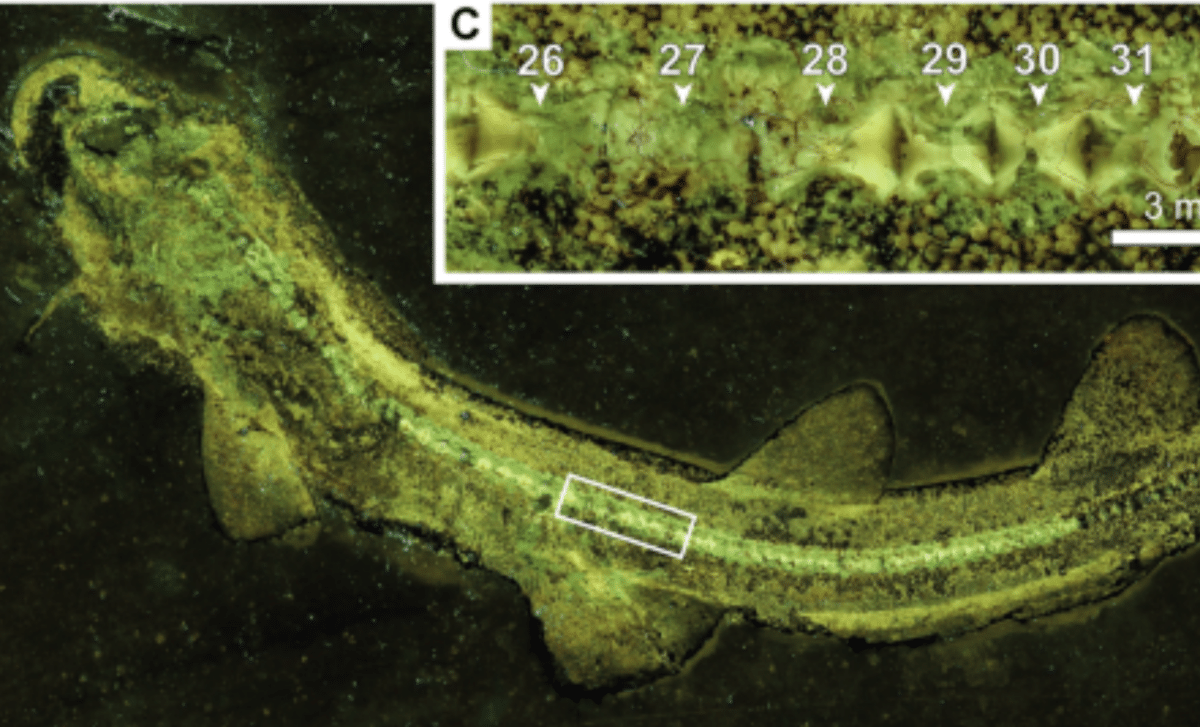
A newly discovered prehistoric shark, Bavariscyllium, is rewriting our understanding of shark evolution. This fascinating creature, which roamed the seas about 150 million years ago during the Jurassic period, has recently been studied in detail by an international team led by Sebastian Stumpf from the Natural History Museum Vienna and the University of Vienna. Their findings, published in Communications Biology, reveal a surprising challenge to the long-standing ideas about the early development of modern sharks. The research suggests that Bavariscyllium may not fit into any of the known shark categories we recognize today, offering a glimpse into a much more diverse and complex evolutionary past for these ancient predators.
The Unusual Characteristics of Bavariscyllium
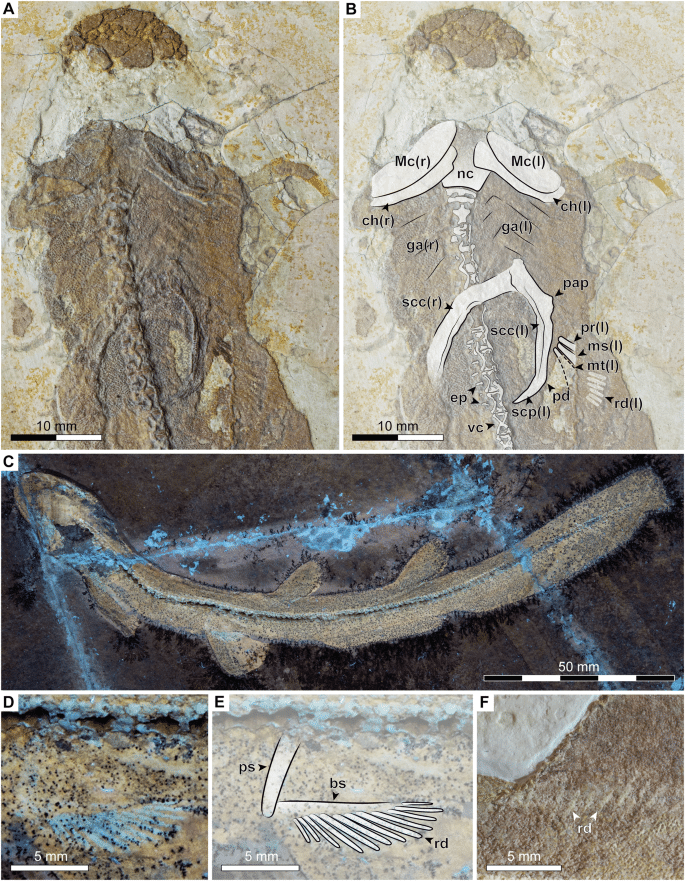
At approximately 25 centimeters long, Bavariscyllium is a slender, elongated shark with distinct features that puzzle researchers. Its most striking characteristic is a whisker-like sensory organ located near its throat. This unique adaptation likely helped it respond to physical stimuli in the water, much like similar barbels seen in today’s carpet sharks, including the enormous whale shark. The sensory organ was likely used for mechanosensation, allowing the shark to detect changes in its environment, such as movements from potential prey.
Additionally, the shape of Bavariscyllium’s body and teeth suggests it may have been a generalist predator, feeding on small prey. The researchers were initially inclined to classify it as a member of the ground shark group, which includes species like hammerhead and tiger sharks. However, the more they studied, the more they realized that this shark defied simple categorization.
“Our study shows that Bavariscyllium exhibits traits reminiscent of both carpet sharks and ground sharks, but they are not sufficient to confidently place it within either group,” explains study leader Stumpf. “Such forms illustrate how highly variable the early evolution of modern sharks was.”
Credit: Communications Biology
A New Perspective on Shark Evolution
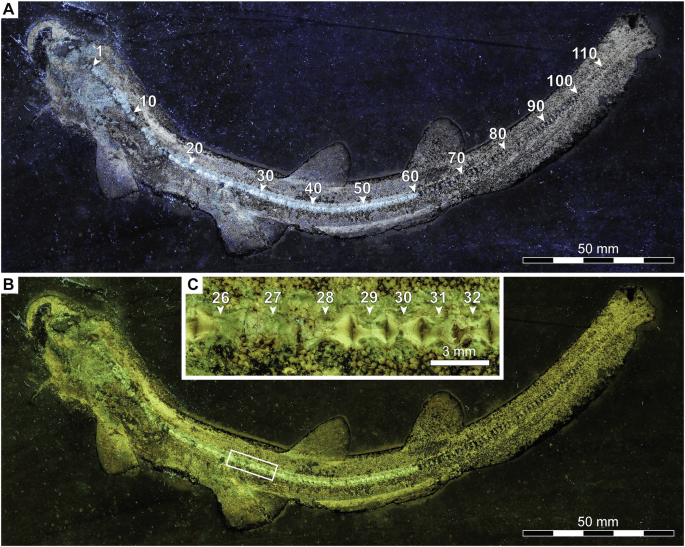
The study of Bavariscyllium, published in Communications Biology, opens new doors to understanding how sharks evolved over millions of years. The findings suggest that sharks from the Jurassic period exhibited a far broader range of body shapes and adaptations than previously thought.
“Bavariscyllium and other sharks from the Solnhofen Limestone show an astonishing range of body shapes, likely predating the emergence of the characteristic body plans seen in today’s shark orders,” says Stumpf.
Credit: Communications Biology
Sharks from this period were far more diverse in form than what we typically associate with the streamlined, highly specialized predators we see today. This diversity complicates the classification of many ancient shark species, as the current systems of categorization may not account for the evolutionary variability present during the early stages of shark development. As a result, the study not only reshapes the fossil record but also forces a reevaluation of the way scientists track evolutionary events.
Credit: Communications Biology
Rewriting the Shark Family Tree
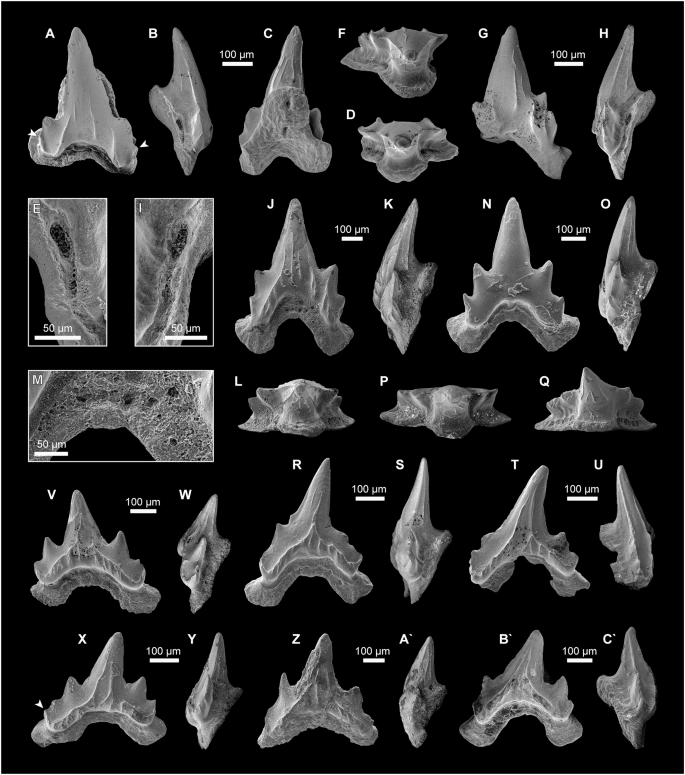
One of the most significant implications of this research is the reconsideration of how shark teeth are classified. Fossilized teeth have traditionally been used to place prehistoric sharks into modern orders, but Bavariscyllium presents a problem in this method. If certain fossilized teeth do not belong to any established shark order, this raises questions about the accuracy of age estimates associated with these fossils.
“If we cannot confidently say whether certain fossil teeth truly belong to a given shark order, we also need to treat associated age estimates with more caution,” says Stumpf.
Credit: Communications Biology
This is particularly important when considering the diverse nature of ancient sharks, which may have had features that are not easily categorized by today’s standards.
Furthermore, this study suggests that some of the sharks from the age of dinosaurs, including those found in the Solnhofen Limestone, may not fit into any neatly defined shark family. This challenges the idea that modern shark orders evolved in clear-cut stages. Instead, it proposes a more complex and dynamic evolutionary process. “Bavariscyllium shows us that some sharks from the age of dinosaurs may not fit neatly into any established category,” Stumpf concludes, highlighting the broader implications for the entire field of shark research.
First Appeared on
Source link






Leave feedback about this