

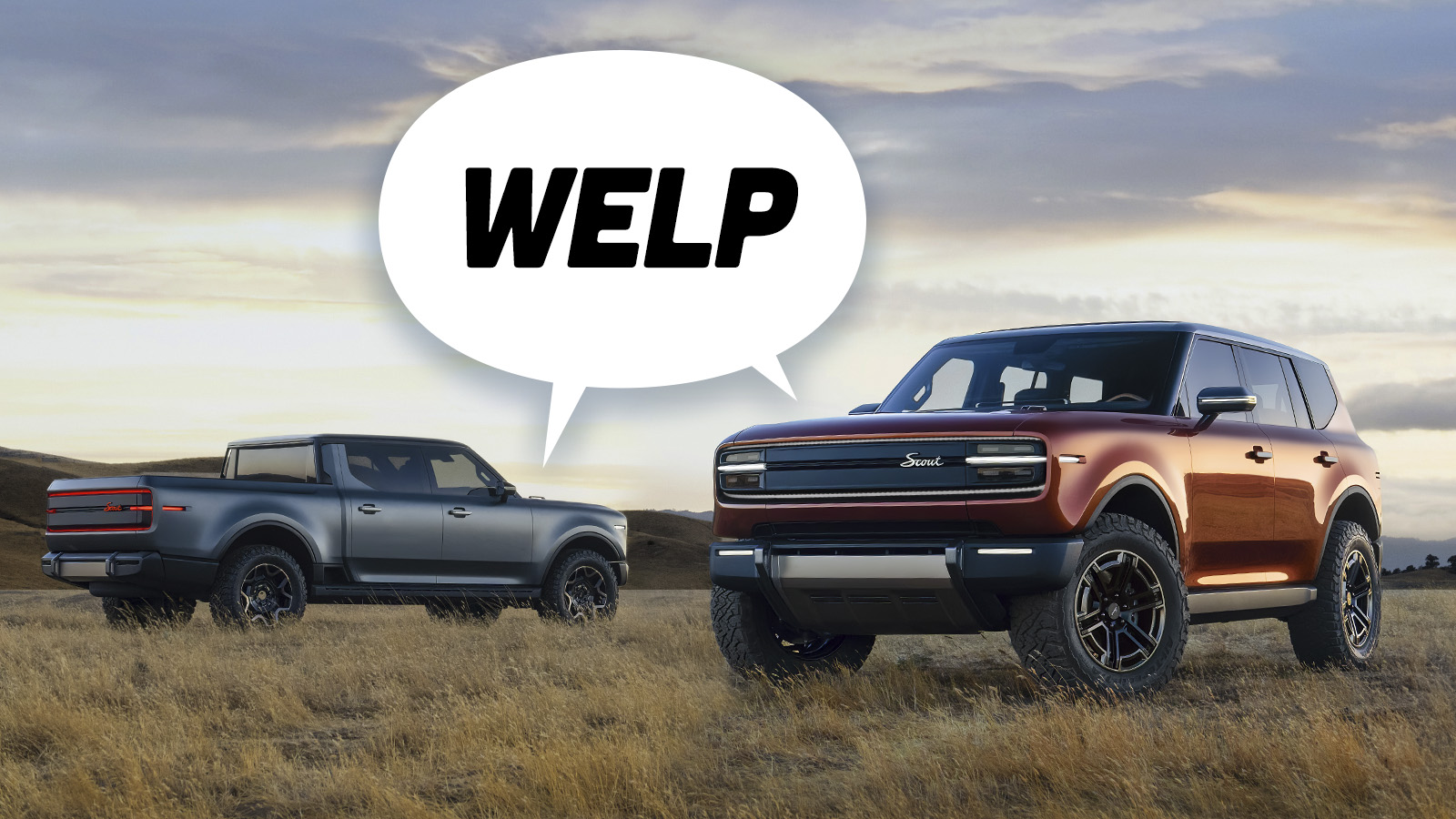
Scout Motors is one of the most hyped car brands of the decade. Volkswagen, Scout’s parent brand, bought the rights to the nameplate in 2020, revived the automaker in 2022 after 40 years of neglect, and made a huge splash in 2024 when Scout announced it would be offering a range-extended electric SUV and pickup truck, the Traveler and the Terra.
The two vehicles, but especially the pickup, are expected to shake up the segment for a few reasons. These trucks may be electric, but they have stuff like a body-on-frame construction with a solid rear axle, plus truck-focused interior niceties you could usually only dream up in a modern pickup, like a bench seat and a column shifter.

Most importantly, the first Scouts planned for delivery will reportedly come with the brand’s cleverly named “Harvester” range extender, a naturally aspirated four-cylinder gas motor mounted under the bed that can stretch total range to 500 miles, and eliminate range anxiety. On paper, it’s the perfect truck, able to deliver the range, payload capacity, and towing capabilities of a gas truck and the instant torque of an all-electric pickup, all in a stylish package that doesn’t need a charging station every 300 miles.
With Volkswagen sales in North America floundering, Scout was seen as the brand’s biggest hope for a U.S. revival. Its pitch seemed genius: Offer a superior product compared to legacy brands, using a name Americans are already familiar with. For a few years now, VW has been saying Scout’s two new revolutionary vehicles would arrive in 2027. Now, according to one report out of Germany, the brand’s launch has been pushed back an entire year, to 2028.
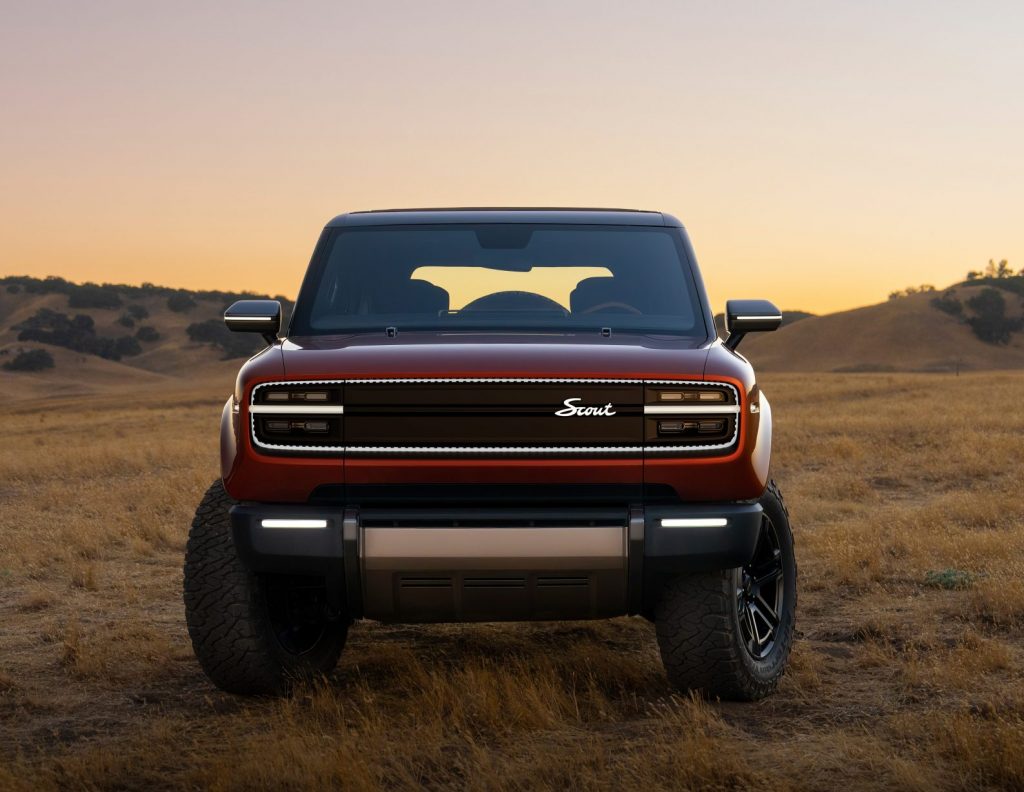
The reason? Well, according to the German-language site Der Spiegel, the huge spending needed to complete and operate Scout’s factory in Blythewood, South Carolina might be needed elsewhere within the company to keep things afloat:
The Scout factory is now becoming a political issue in Wolfsburg, especially since the plant and its supplier park are expected to cost three billion dollars (2.53 billion euros) – money that is urgently needed elsewhere. Construction is already well underway, but the factory will likely not generate revenue until a year later than hoped, assuming everything goes according to plan from now on.
The news comes just one day after a report from another German site, Manager Magazin, reported that CEO Oliver Blume had implemented a huge cost-cutting plan that will have VW Group slashing expenditures at a “completely new and unprecedented scale” following the losses from its failed electric vehicle overhaul.
My colleague Matt covered the story yesterday, but basically, VW is planning to find 20% worth of savings … somewhere. Is it a coincidence that the very next day, we’re hearing about the company delaying the launch of Scout Motors, possibly to reallocate funds? Maybe. But it makes sense that the two could be connected in some capacity.
Der Spiegel cites another reason, though: Software. It’s an issue that VW has been plagued with for years now, specifically when it comes to its EVs. And it continues to bite:
The reason for the impending delay: In addition to the development of the hybrid drive with a so-called range extender (REEV), the software is also taking longer than usual, as is so often the case within the Volkswagen Group. Because the software alliance with the US start-up Rivian has not yet delivered what Scout needs, Volkswagen’s own, itself crisis-ridden, development unit Cariad has to step in.
The situation is extremely difficult for the company, as many hundreds of people are already working for the new brand.
Actually, it’s over a thousand people, according to a statement sent by Scout to The Autopian. In an email to me, a representative stressed that the brand hasn’t made any truly official announcements on timelines for delivery, and that it’s forging ahead on building the brand essentially from the ground up. Here’s the full statement:
Scout Motors has not shared any timing or product update announcements.
As you know, Scout Motors is building on multiple fronts – we’re building a factory, we’re developing vehicles, and we’re building a company. We’re making great progress on all of those fronts.
As a company, we’ve hired more than 1,300 employees to date. Consumer and market reaction to our Scout brand and concept vehicles has been overwhelmingly positive. We’re now fully into the heart of the construction process for our Scout Motors Production Center in Blythewood, South Carolina, which remains on track. Our buildings are weathertight and we’ve begun installing process equipment, including the first robot which arrived in mid-January in the Body Shop, marking another major milestone. Additionally, we’ve begun hiring and training our first Maintenance Technicians who will work in the factory. We’re proud of the progress happening on the ground in South Carolina and across our company as we work to bring our factory and vehicles to life.
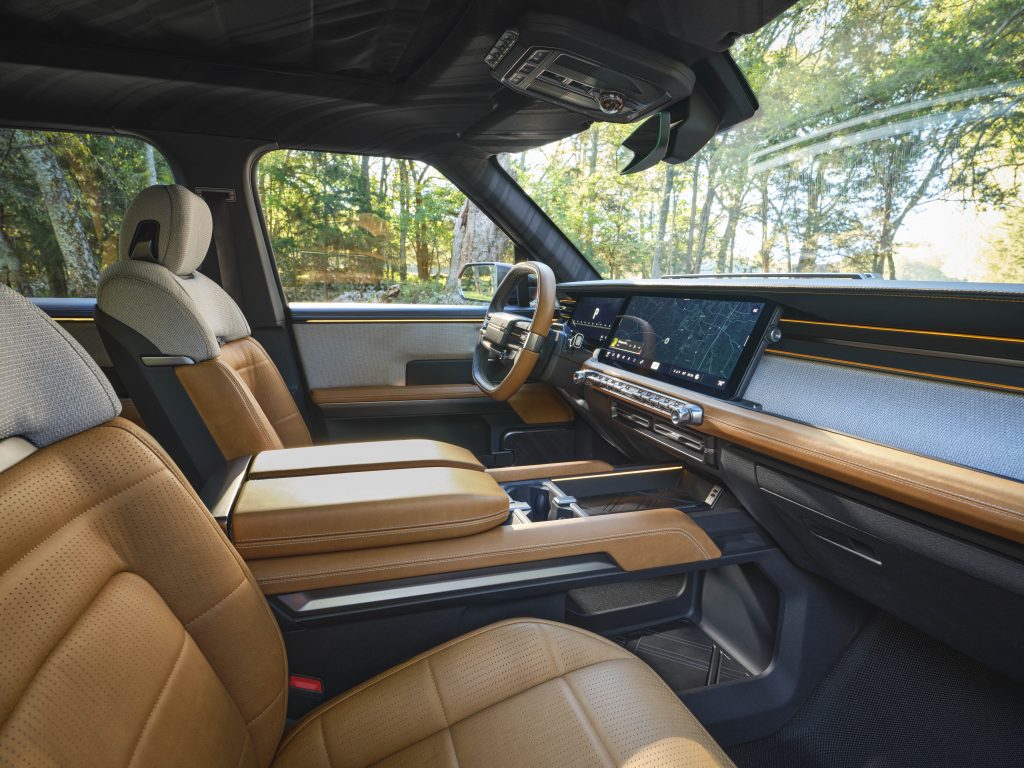
When they were revealed in 2024, Scout’s vehicles were incredibly compelling, to the point where my colleague David actually put in a pre-order for one. But as he opined almost exactly a year ago, it’s becoming less and less clear whether the brand can keep that momentum going until 2027, much less 2028. By the time the Terra comes out, Ford’s new range-extended F-150 EV will have already been out for a year, killing any hope of the newcomer breaking into the segment early. Ford’s entry also promises more total range (700 miles versus 500 for the Terra with the Harvester engine) and has the backing of a legacy automaker behind it.
I’m still excited for Scout to start selling cars because I love rooting for the underdog. But I’m a tiny bit less hopeful than I was before.
Top graphic image: Scout Motors
First Appeared on
Source link






Leave feedback about this