

Summary and Key Points: Putin’s Next Ukraine War Problem – Economic Challenges Keep Coming
-Vladimir Putin faces a precarious balancing act as Russia’s war economy shifts toward potential hyperinflation.
-To prevent a 1990s-style collapse, the Kremlin has transformed inflation control into a quasi-ideology, clinging to a 4 percent target despite record-high government spending.
-While Central Bank head Elvira Nabiullina enforces strict fiscal measures, the result is record-high interest rates that threaten to bankrupt the defense industrial sector.
-Sergei Chemezov, director of Rostec, warns that major production plants cannot sustain these pressures indefinitely.
-This focus on price stability over industrial growth risks irreparable damage to Russia’s ability to supply weaponry for the long term.
The 4% Delusion: Putin’s Desperate Plan to Prevent a 1990s-Style Economic Collapse
Russia faces a cap on oil prices, Moscow’s chief source of revenue. Embargoes and sanctions keep Russia from accessing world financial markets. Excessive state spending outstrips the ability of the economy to adjust to the shift towards a war economy.
The situation may be ripe for another 1990s hyperinflation-fueled economic collapse. Russian President Vladimir Putin has therefore made keeping inflation under control, and thus preventing a breakdown of internal stability in Russia, a top priority. But in the process, he is most likely ensuring economic disaster down the road.
In a recent essay for the Sakharov Review, Russian economic analyst and journalist Sergei Shelin describes the process by which Putin’s government is attempting to restrain inflation. The challenge that the current Russian regime faces is trying to tamp down runaway price increases at a time when the Kremlin has engaged in all-time-high government spending.
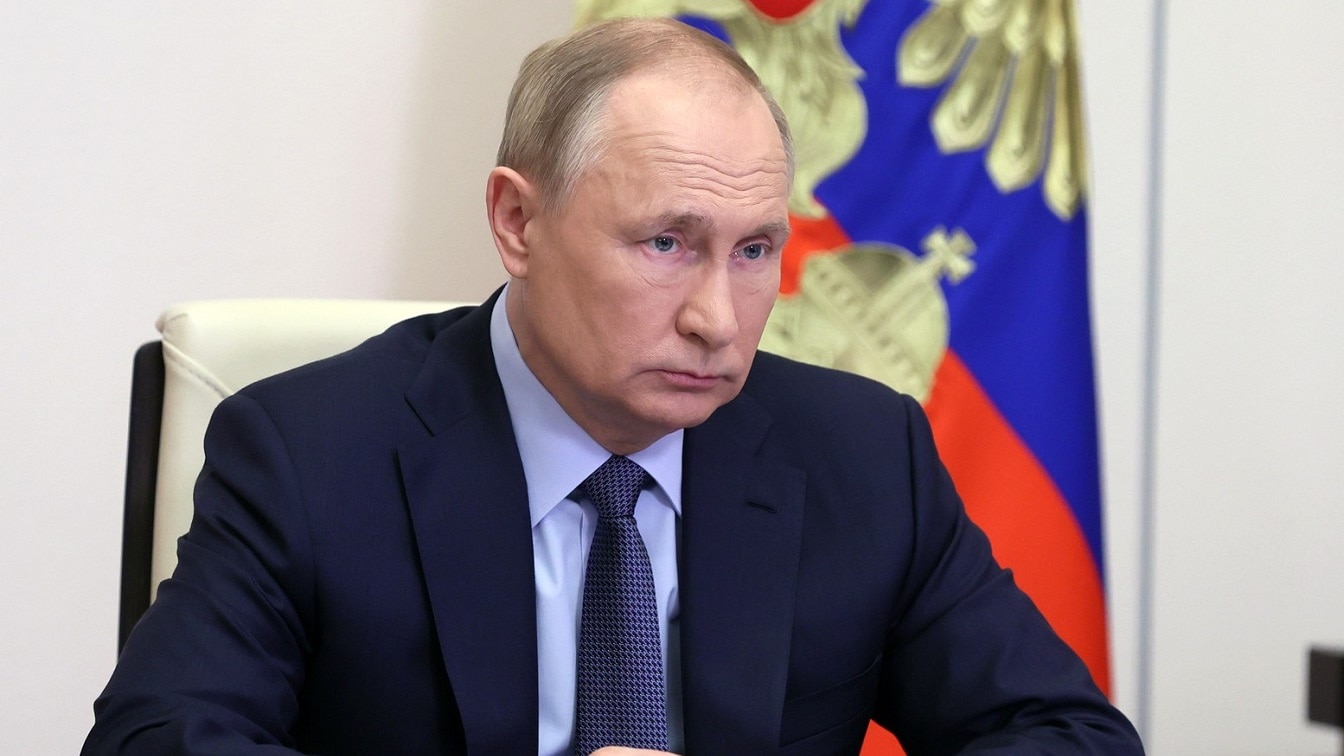
Vladimir Putin at the opening ceremony of international military-technical forum.
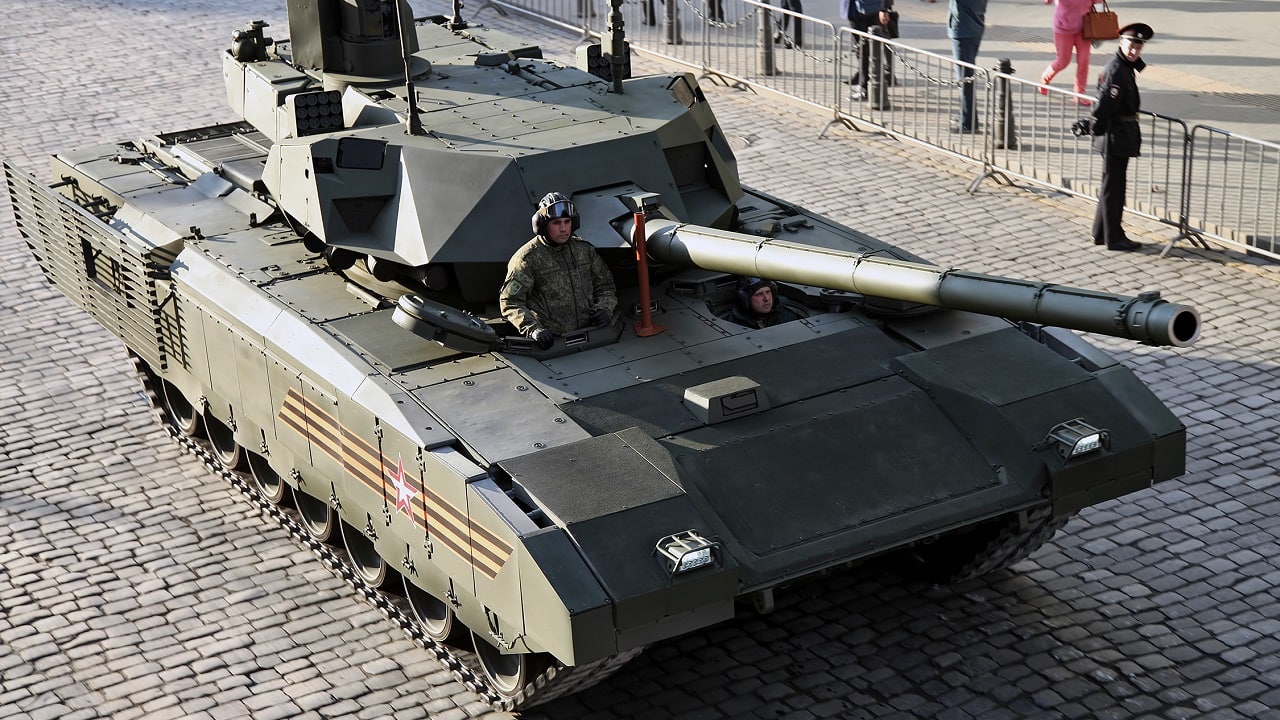
Russian Armata T-14 Tank. Image Credit: Creative Commons.
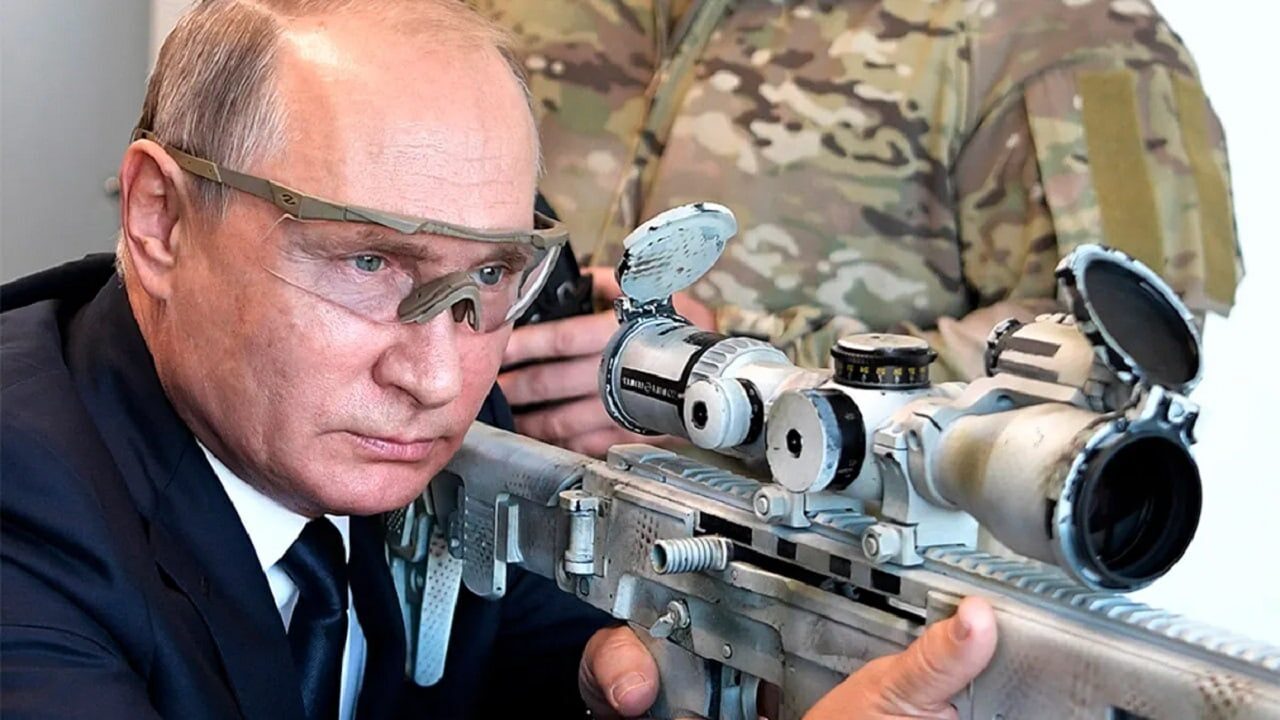
Russian President Putin testing a new sniper rifle. Image Credit: Russian State Media.
The mechanisms Putin has put in place will, for a time, keep Russia’s economic situation from going off the deep end. But many of the measures being enacted across the country today will demolish the basis for a rational and functioning Russian economy.
As Shelin writes, “The Kremlin has turned fighting inflation into a quasi-ideology. The doctrine combines the recommendations of court financiers with the ruler’s own strategy, aimed at preserving power for decades to come.”
No Experience with Anti-Inflationism
Since its full-scale invasion of Ukraine in February 2022, Russia has instituted desperate measures to keep inflation under control. They have been somewhat successful—the consumer price index has risen by 39 percent during this period.
But as Shelin explains, Russian regimes have no history or anti-inflationary tradition that would impose fiscal restraints on government spending: “Neither of the empires that preceded the Russian Federation—under the tsars or the USSR—was ever particularly scrupulous with their finances, especially in wartime.”
The picture he paints of the Putin regime is one in which inflation targets are dictated from above; but those targets have no tangible connection to the economic realities of the present. For example, the Russian Central Bank declared that the target for inflation in 2015 was 4 percent.
That yearly target has not changed since, and all officialdom pays lip service to it. Now, after four years of war, the rhetoric from above has not changed. The head of Russia’s Central Bank, Elvira Nabiullina, has again confirmed that inflation should return to 4 percent in 2026.
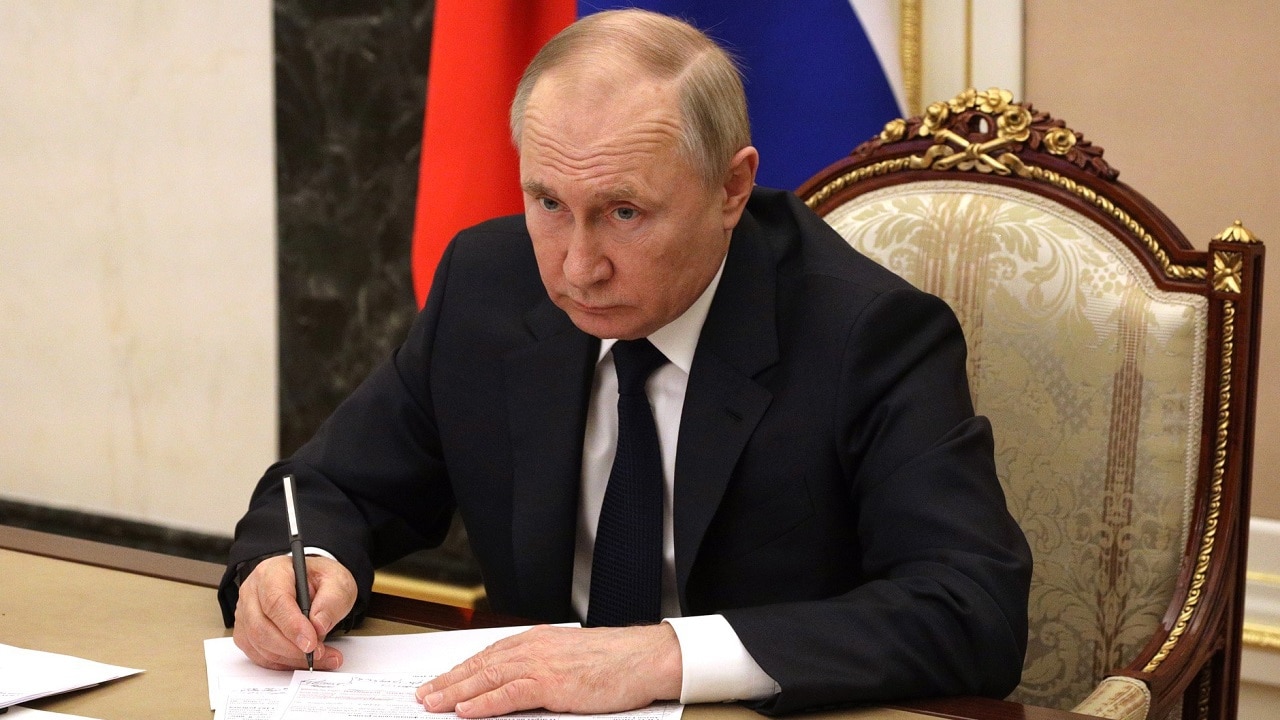
President of Russia Vladimir Putin Meeting with members of the Government (via videoconference).
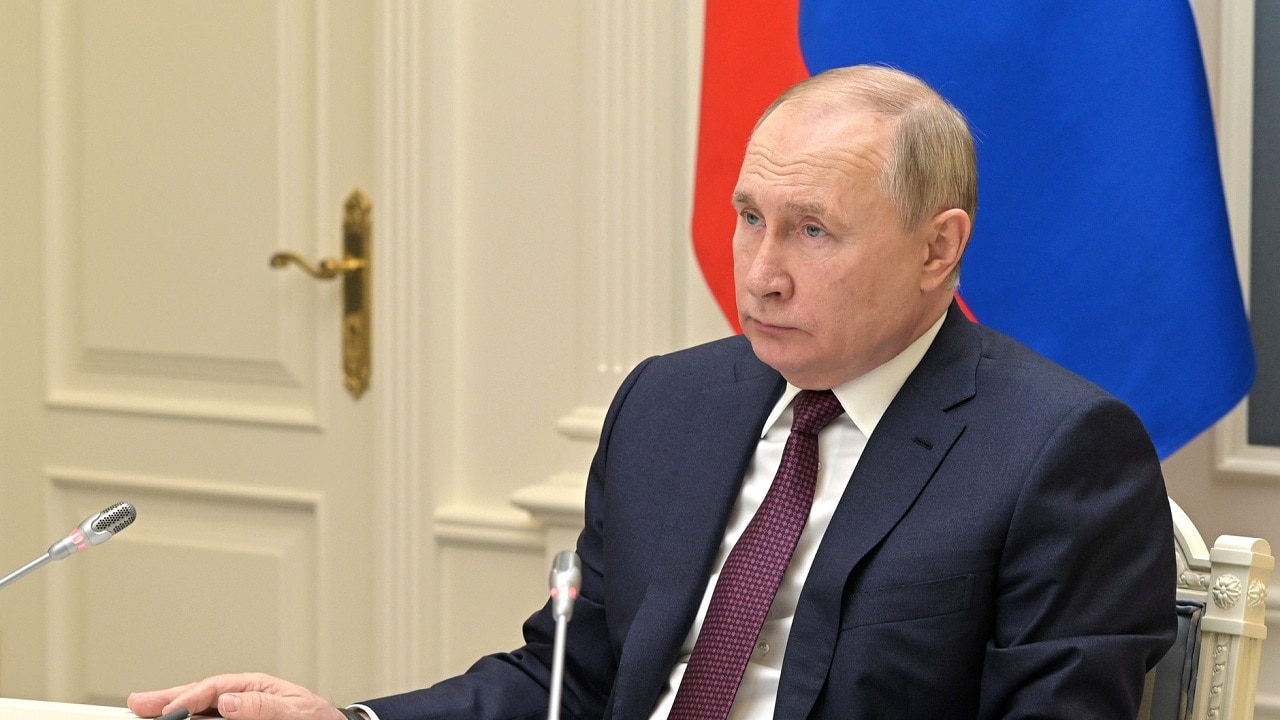
Vladimir Putin observes strategic deterrence forces exercise in the Kremlin’s situation room.
Ukraine War Questions: Can Defense Production Be Sustained at The Current Level?
“Overall, there is a trend towards stagnation and a possible decline in GDP,” Tatiana Mikhailova, an economist and visiting assistant professor at Penn State University, told the BBC. At present there is no definite sign that the Russian economy is in decline, but Mikhailova also said she believes there is a high likelihood of such a decline.
“Every time oil prices fall, a recession is possible in Russia,” she also told the network. While there is always a danger, she said, the Russian economic system appears to be capable of continuing to run without growth for some time before the signs of a major slowdown occur.
The major figures in Putin’s governing circle—Prime Minister Mikhail Mishustin, Finance Minister Anton Siluanov, and even Defense Minister Andrei Belousov—have supported the policy of restraining inflation, but there is a price to be paid for the defense-industrial sector.
Sergei Chemezov has been Putin’s close ally and confidant for decades. He is also the general director of Russia’s sprawling defense industrial conglomerate, Rostec.
The companies under his control produce 80 percent of the weaponry supplied to Russia’s military. His is the key engine that keeps Putin’s war in Ukraine from coming to a halt.
But Chemezov has rung the alarm bell more than once over what the focus on restraining inflation has done to the defense-industrial sector. Keeping the Russian ruble from collapsing has created record-high interest rates and continues to bankrupt one defense enterprise after another.
“The major production plants cannot continue like this indefinitely,” Shelin and others have said. Sooner or later the damage being done will become irreparable, and Russia will face a future with little chance of rebuilding its shattered military.
About the Author: Reuben F. Johnson
Reuben F. Johnson has thirty-six years of experience analyzing and reporting on foreign weapons systems, defense technologies, and international arms export policy. Johnson is the Director of Research at the Casimir Pulaski Foundation. He is also a survivor of the Russian invasion of Ukraine in February 2022. He worked for years in the American defense industry as a foreign technology analyst and later as a consultant for the U.S. Department of Defense, the Departments of the Navy and Air Force, and the governments of the United Kingdom and Australia. In 2022-2023, he won two awards in a row for his defense reporting. He holds a bachelor’s degree from DePauw University and a master’s degree from Miami University in Ohio, specializing in Soviet and Russian studies. He lives in Warsaw.
First Appeared on
Source link


Leave feedback about this