

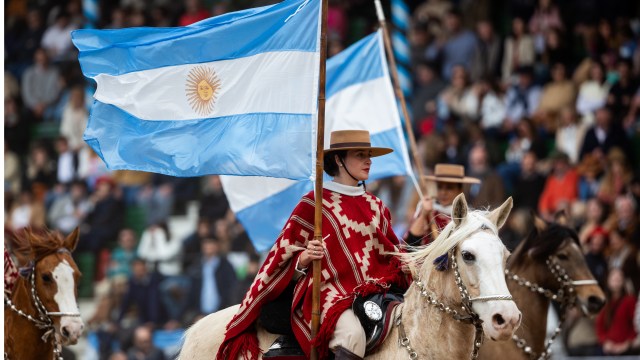
Argentines are particularly proud of the people in their country. They note their “solidarity” and how “supportive and empathetic” people are. And while pride in the citizenry is common in many of the countries surveyed, the share who bring it up in Argentina (35%) is notably high.
Argentines also emphasize being born in Argentina or having Argentine ancestry (15%), as well as the country’s arts and culture (14%). One 85-year-old man says he is proud simply “because I was born here and I love it.” Compared with other countries, relatively few mention something negative when asked about what makes them proud.
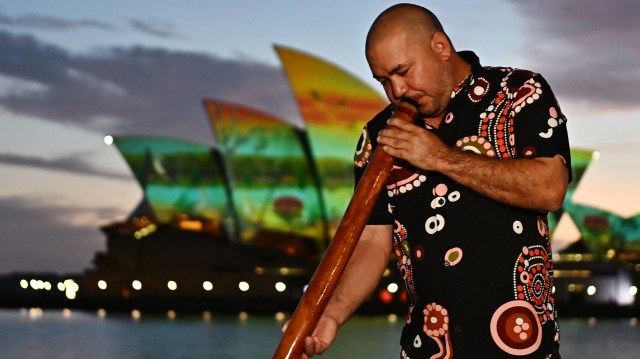
Australians are most proud of the people of their country. A quarter (25%) emphasize the “mateship” they feel with other Australians as well as how they “lend a hand” in times of need, such as natural disasters. They are also proud of their country’s political system and governance (21%) and its diversity (19%). People mention the contributions and “rich cultural history” of the Aboriginal and Indigenous people, as well as how welcoming the country is to immigrants and to all nationalities and religions.
Australians are also among the most likely to mention the country’s lifestyle (13%) as a source of pride, characterized by a “laid-back” attitude.
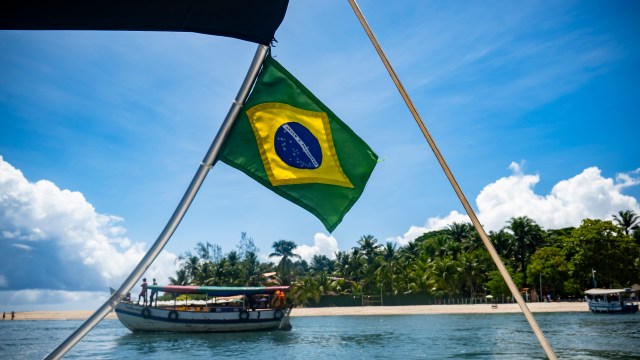
A quarter of Brazilians (25%) say they are proud of the people in their country, describing them as welcoming and accepting, as well as highlighting the positive social climate in Brazil.
Brazilians also mention their country’s landscape and geography at a fairly high rate (17%), saying it has “postcard-worthy places.” They name the Amazon, the beaches of Santa Catarina and Pantanal as things that make them proud, and they even mention the lack of natural disasters.
Nearly one-in-five also mention something negative when asked what makes them proud (17%) – and this is about three times as common among those who do not identify with a party in the government as among those who do (21% vs. 8%).
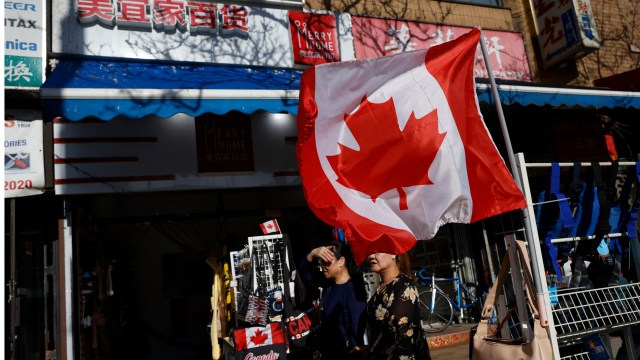
Canadians most commonly say they are proud of the people in their country (28%) as well as its diversity and multiculturalism (27%). They often emphasize the tolerant, kind and welcoming nature of Canada and describe it as a multicultural “mosaic.”
Canadians are also more likely to name their international standing as a source of pride (19%) than people in any other country surveyed, particularly emphasizing its independence from the United States by saying things like “we are NOT American.” (The survey was fielded in spring 2025, when U.S. President Donald Trump made several statements calling Canada the “51st state.”) They also highlight the country’s important role in global missions. One man said, “We have always listened to the rest of the world and tried to be a peacekeeper.”
Canadians are also quite proud of their country’s political system (22%), its freedoms (17%) and its “free health care” (16%).
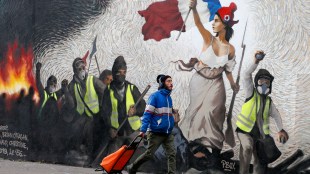
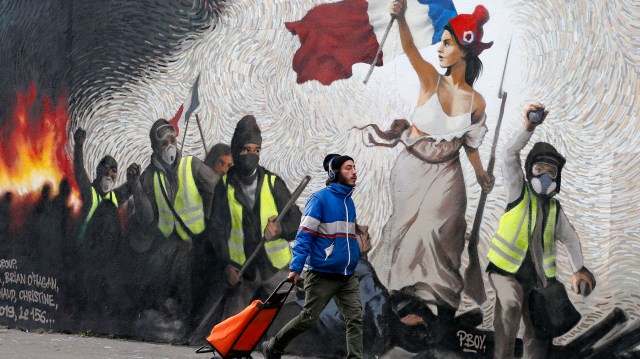
About a quarter of French adults (26%) say they are proud of their arts and culture – one man dubbing it “culture with a capital C” – and praise the know-how of artists, like the “craftsmen and women who rebuilt [the] Notre Dame” cathedral. France stands out as one of the countries where people are most likely to express pride in their food (15%), mentioning “French cuisine” and their ability to “enjoy good wine and cheese.”
The country’s people (24%), history (22%) and the services available to the French public (21%) are also key sources of national pride. So is the country’s natural beauty (19%), such as its “sea, mountains and countryside.”
The national motto – “Liberty, Equality, Fraternity” – is another thing the French take pride in. About two-in-ten (22%) are proud of the freedom in their country, including the freedom of expression that French people enjoy, or their “ability to complain.”

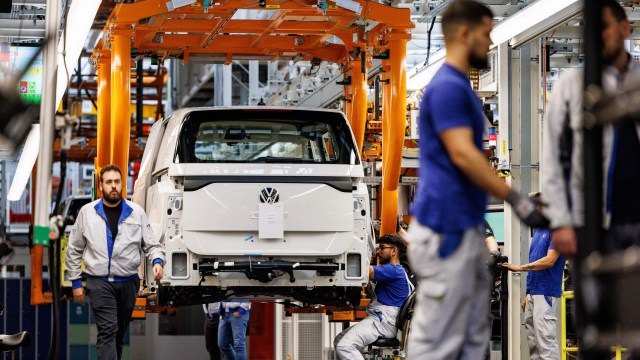
Germans are most likely to say their democracy and the federal system of government (36%) make them proud. In fact, Germany stands out as one of only a few countries where the political system is the top source of national pride.
Relative to most other countries, Germans are proud of their economy (18%), praising its strength and stability. Many are also proud of the freedom they enjoy in their country (16%), like “freedom of expression” and the right to “move freely.” Some specifically mention the services provided by Germany (15%), including their social system, as something that makes them proud.
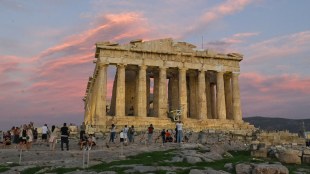
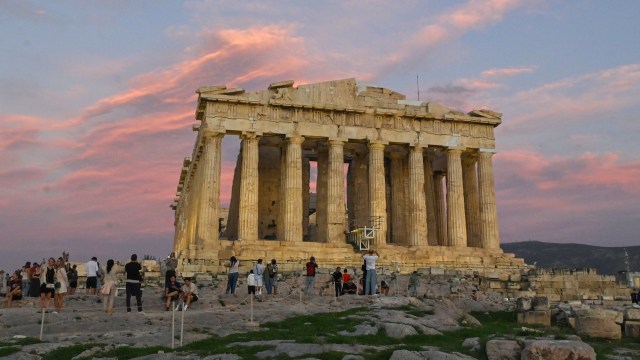
Greeks are most proud of their history (37%), often boasting about their “ancient civilization” as well as “the wars of our ancestors,” including the Greek War of Independence and World War II. Indeed, Greece stands out as the country most likely to mention history as a source of pride.
Greeks are also proud of their people (31%), describing them as “hospitable and warm.” Many also express pride in those who participated in protests about the government’s handling of a tragic train crash (protests on the second anniversary of the crash were taking place during our survey).
Greeks are also fairly likely to name the geography and natural environment (15%) as a source of pride. While many mention the country’s national beauty and geographical location, some simply are proud of “the sun and the sea.” However, 19% are not proud at all or share some criticism of their country.


Hungarians are proud of their history (21%) and people (20%). Still, they are equally likely to say they are not proud of Hungary (23%) and share their reasons for that when asked what makes them proud. Hungary stands out as one of only a few countries where negative responses are as common as the most popular sources of pride.
Hungarians are also among the most likely of the countries surveyed to emphasize their current leadership (13%) as a source of pride. People mention Prime Minister Viktor Orban’s economic policies, saying he “supports young people and pensioners alike,” while others reference his strongman stance within the European Union and his policies against immigration.
Notably, pride in current leadership is clustered among those who identify with parties in Orban’s coalition, relative to those who do not (33% vs. 3%). And negative responses are much more common among nonsupporters than supporters (30% vs. 8%).
The country’s history of innovation is also a source of pride for Hungarians (11%), much more than most other countries. Several respondents highlight the country’s “many Nobel Prize winners,” especially given its size, as well as “world-famous scientists” and inventions such as the Rubik’s Cube.
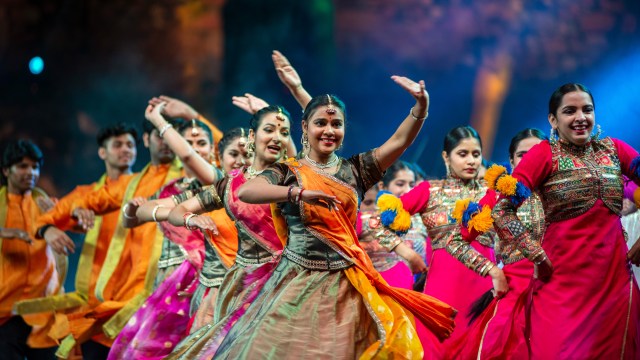
Indians are proud of their country’s political system (8%) and the economy (8%), as well as their country’s current leadership (6%), with some specifically mentioning Prime Minister Narendra Modi and the Bharatiya Janata Party (BJP). Many also highlight India’s “good economic development” as a point of pride. People are also proud of India being an agricultural country and a “land of villages.”
Indians also emphasize their pride in the Indian people (10%), the country’s arts and culture (8%), their own Indian heritage (7%), the lifestyle in the country (6%) and the country’s diversity and multiculturalism (5%). Respondents point to how “people from different communities live together in harmony” – often with direct mentions of this, including people of different religions, castes and languages coexisting.
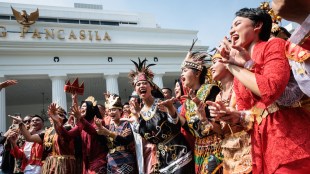
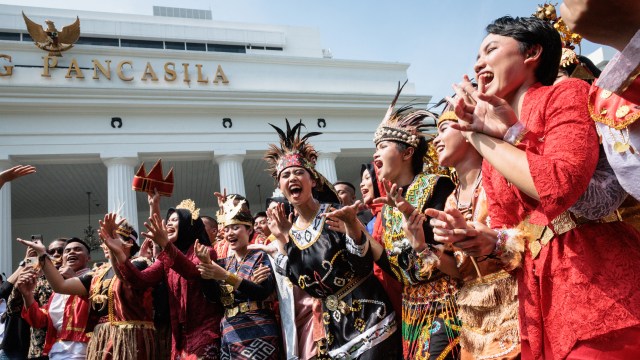
Indonesians are most proud of their country’s diversity and multiculturalism (30%), and Indonesia is one of just a few surveyed countries where this is a top source of pride. People highlight the various tribes, local languages, races and religions that characterize Indonesia. This extends to the “abundance” of arts and the cultural diversity that makes 15% of Indonesians proud. They also share pride in the Indonesian people (21%), including how they live in harmony.
Indonesians are also proud of their natural resources (14%), more so than in most other countries surveyed. They emphasize the abundance of “fertile land” for agriculture, spices and palm oil, among other natural resources. The economy – especially its recent and ongoing development – is another common source of pride for Indonesians (17%).
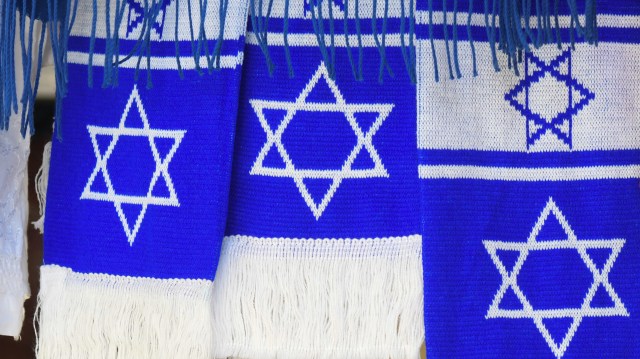
Israelis are proud of their people (24%), as well as the religious nature of their state (20%). Religion comes up as a source of national pride in Israel more than in any other country surveyed, with many mentions of “the chosen people” and references to Israel as “the Holy Land” or “the promised land of the Jewish people.”
Israelis are also among the most likely to say they are proud of their country’s military (13%) and innovations (9%). They frequently mention the Israel Defense Forces (IDF), their country’s “brave warriors” or specific military actions in its most recent conflicts. Israelis also point to their country’s high-tech industry and advancements in military technology, as well as scientists and Nobel Prize winners from Israel, as sources of national pride.

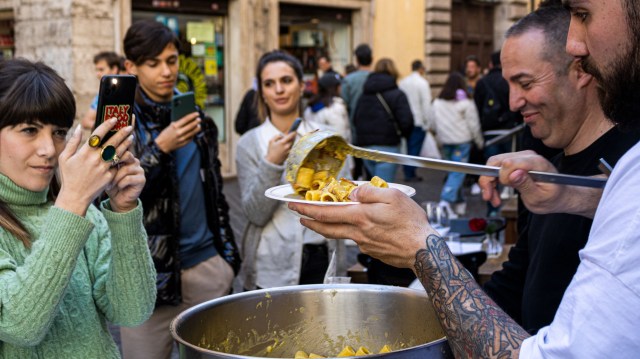
Italians are particularly proud of their arts and culture (38%). They mention “beautiful architecture” as well as the legacy of the Renaissance and their “artistic heritage.” They are also proud of their history (18%), calling Italy an “ancient country” and expressing their admiration for figures like Leonardo da Vinci and Galileo.
Italians are also among the most likely to say they are proud of their country’s food (18%), with one naming “tortellini, Parmigiano-Reggiano, Chianti wine and humble people.”
Many Italians express pride in their geography (24%) and praise the variety of Italian landscapes, “from the spectacular Alps to the wonderful sea.” A similar share (23%) are proud of their fellow Italians.


In Japan, people are most proud of the Japanese people themselves (41%). They cite people as a source of pride more than any other country surveyed, often focusing on how Japanese people are “serious,” “hardworking,” “respectful,” “modest” and “sincere,” among other positive attributes. People also emphasize the dexterity and ingenuity of the people, as well as “the traditional craft culture of artisans.” Pride in the arts and culture of Japan is relatively common (15%).
Japanese adults also emphasize peace and safety (18%) as a source of pride more than people in most other countries. They are proud that Japan is “peaceful” and that they “renounce war,” both domestically and on the international stage.
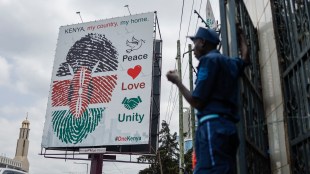
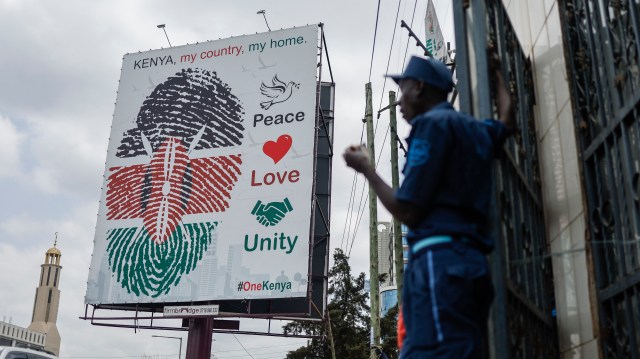
Peace and safety is one of the things that makes Kenyans most proud of their country (26%). They say Kenya has little conflict, particularly compared with other countries, and regularly mention “peace and love” or how “peaceful” Kenya is as things that make them proud. Kenya stands out as one of two countries where peace and safety is among the top sources of pride.
Kenyans are also relatively proud of simply being born in Kenya or being Kenyan (24%). Some also highlight the country’s freedom (15%) and the economy (14%) as sources of pride, and few mention anything negative.
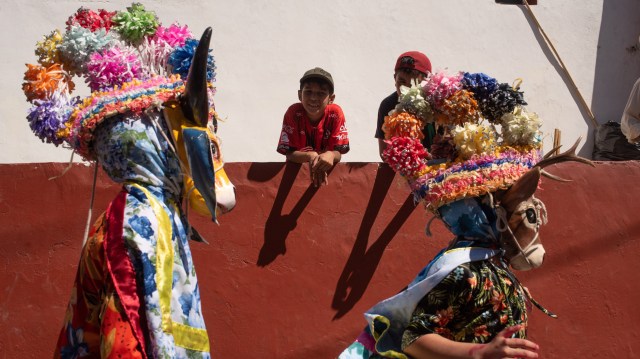
Mexicans are proud of their country’s arts and culture (30%) – emphasizing their “customs and traditions” more than many other countries surveyed. They are also among the countries most likely to mention pride in their food and cuisine (15%).
Mexicans are also particularly proud of the Mexican people (28%). Many are also proud to have been born in Mexico (22%), describing their Mexican “roots” and heritage.
Mexicans are also among the most likely to mention their current leadership as a source of pride (11%). Many mention both the current president, Claudia Sheinbaum, as well as former President Andrés Manuel López Obrador, both of the left-leaning Morena party.
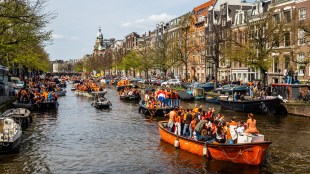
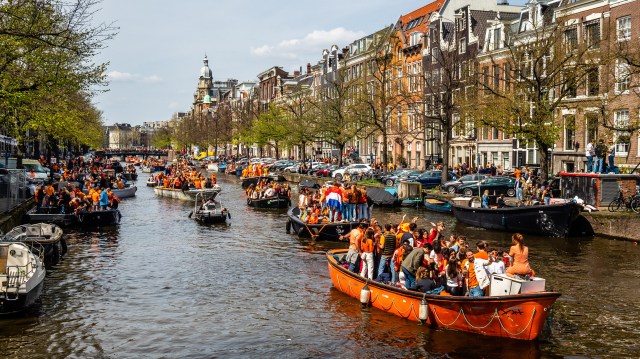
Dutch people are particularly proud of the freedoms they enjoy (24%), their economy (21%) and their political system (21%). Many point out that despite its small size, the Netherlands is “functioning well” economically and politically. They also praise its “large degree of freedom of speech.” The Netherlands is one of only a few countries where freedom and the economy are top sources of national pride.
The Dutch are also among the most likely to say they are proud of their country’s infrastructure – often marveling at their roads and management of the Dutch waterways.
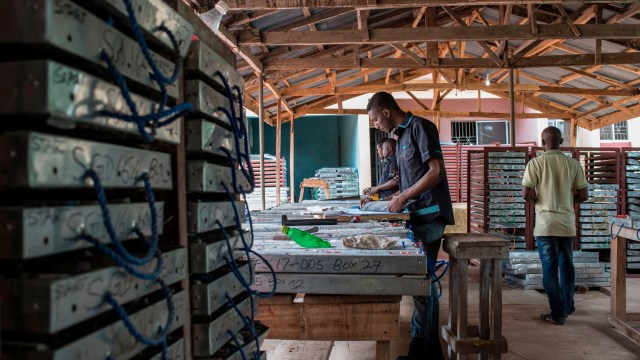
Nigerians are quite proud of their country’s natural resources (21%) – mentioning this at a higher rate than people in any other country surveyed. Most focus on Nigerian “crude oil,” gas and minerals, and also praise the “fertile soil” for agriculture.
Nigerians are also among the most likely to mention something they are not proud of (25%). Many of these negative responses focus on “bad leaders” and the “bad economy.” Nigerians who support the governing All Progressives Congress party (APC) are about twice as likely to be proud of the economy than nonsupporters (14% vs. 7%), while those who do not support the APC are about twice as likely to mention something negative (29% vs. 13%).

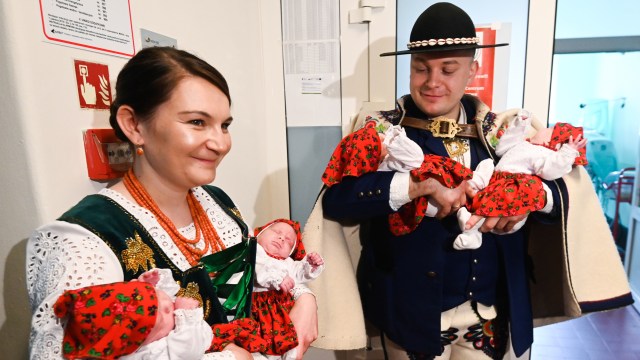
Poles are proud of their heritage – being Polish, being born in Poland, or having Polish ancestry (21%). Many also mention the country’s history (20%), making Poland one of a few countries where history is a top source of pride. Some Poles specifically say they are proud of their “fight for independence” and democracy, with some even mentioning “emerging from communism.”
Poles are also proud of the people in their country (18%), praising their patriotism, diligence and hard work. One-in-ten are also proud of Poland’s role in international affairs (10%), highlighting the country’s support for Ukraine and membership in the EU and NATO.


South Africans are proud of their country’s services (24%), such as housing, “social grants,” police and pensions – and mention these more often than people in most other countries. Many are also proud of their “outstanding” education (13%), praising the fact that “children go to school for free.” The country’s freedoms (11%) are another source of pride, as is the economy (14%), specifically the fact that the government “gives out jobs.”
Still, South Africans quite often say they are not proud (19%). People who aren’t proud of South Africa often talk about economic struggles, namely the fact that even with government assistance, there is a “lack of employment.”
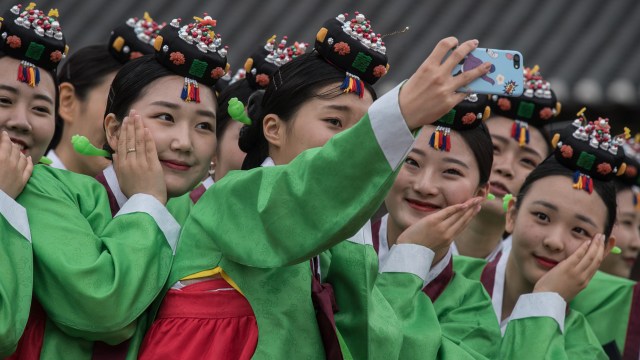
South Koreans are most proud of the people in their country (28%). They praise the “strong national character” of the Korean people and the “diligent and sincere workforce.”
Some are proud of the country’s political system (15%) and its economy (13%), saying South Korea is “a country that has achieved democracy and economic development.” Others mention South Korean arts and culture (12%), also known as “K-culture,” which includes things like K-pop and the national alphabet (Hangul). Still, 15% list things they are not proud of or say they are not proud of anything.
South Korea stands out as one of the countries where people are most likely to mention a specific product or industry that makes them proud, often highlighting Samsung or semiconductors.
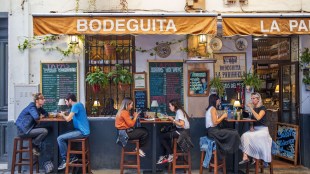
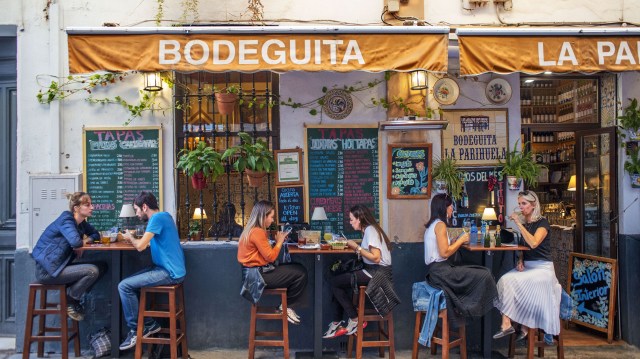
Spaniards are most proud of the people of their country (32%). They mention the solidarity among the public, as well as how “hardworking” and “welcoming” people can be. They are also more likely to mention the lifestyle in their country as a point of pride (14%) and praise the “Spanish way of being” than people in nearly all other countries.
Spaniards also mention things they are not proud of fairly often (25%), highlighting dissatisfaction with politicians and the governance of the country. Pride in the country’s arts and culture (16%) as well as its “good climate” and geography (13%) is also fairly common.
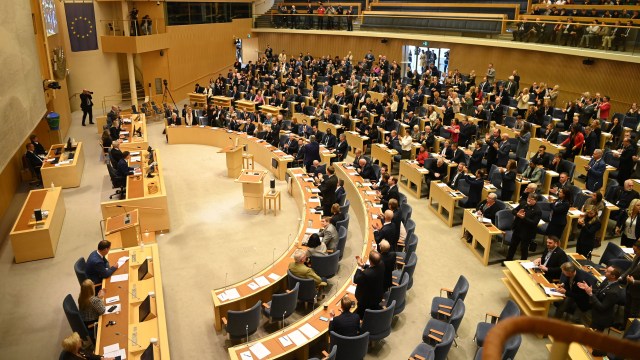
Swedes are most proud of their country’s political system (53%) – which they cite more than any other country surveyed. They are proud that their democracy “works quite well,” with “transparent authorities” and “rule of law.” Many also mention governmentally provided services (25%), including their “well-developed welfare system” and “parental insurance.”
Swedes also highlight their freedoms (24%) as a source of pride, especially their “very strong freedom of speech.” And they mention health care (19%) and education (15%) – which they often note are “free” for everyone – much more than many other people.
Swedes also stand out for their relative emphasis on geography and the environment (32%) compared with other countries. While people mention the “beautiful nature” in the country, they also highlight their legal “right of public access” to nature and emphasize how “environmental issues are actively discussed and taken seriously” in Sweden.
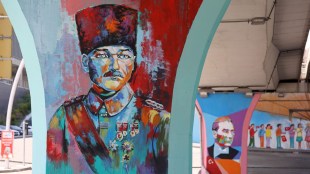
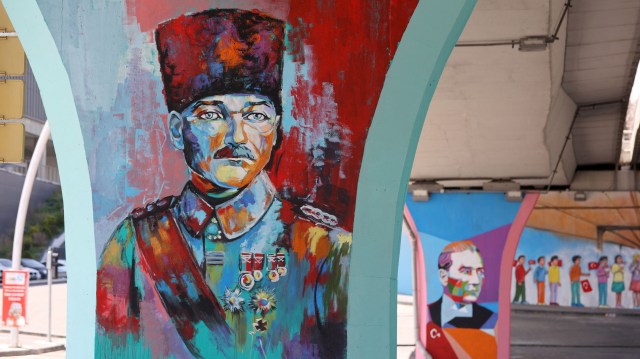
Turks are most proud of their people (20%), with an emphasis on how Turks are “hospitable” and “patriotic.” Some express pride that Turks are “warriors.”
Turks are proud of their country’s history (12%), mentioning the Turkish War of Independence and historical leaders like Kemal Ataturk. They are also more likely to mention their “military power” (8%) as a source of pride than many in other countries, often emphasizing their “defense industry” and mentioning their drones.

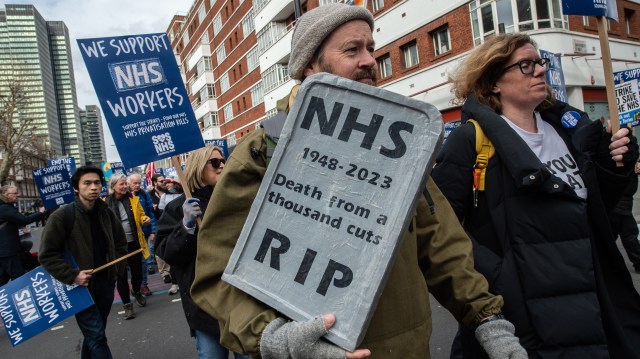
People in the U.K. are proud of the “kind” and “honest” British people (25%), but they just as frequently mention things they are not proud of (29%). Some negative responses refer to specific issues, like “Brexit was a bad idea,” while others simply say there is “not much to feel proud [of] at the moment.” There are few countries where people mention things they are not proud of as frequently as the British.
Interestingly, while people who support the governing Labour Party are less likely to say something negative than those who do not support it, supporters and nonsupporters don’t differ on other sources of pride. This includes the political system (mentioned by 22% of Britons), diversity and multiculturalism (16%) and health care (12%), especially the “National Health Service.”

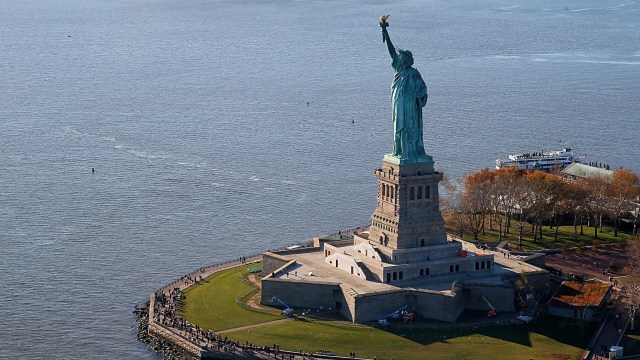
Americans are particularly proud of the country’s “freedoms and liberties” (22%); the U.S. is one of a few countries surveyed in which this is the case. Interestingly, it is the only country surveyed in which there are significant partisan differences in pride in the country’s freedoms (32% of Republicans mention it, compared with 15% of Democrats).
When the topic of national pride comes up, the U.S. is one of several countries where something negative is a common response (20%). Once again, this is partisan (8% of Republicans vs. 32% of Democrats), though that is also the case in most other surveyed countries.
Other factors mentioned regularly include the American people (13%) and the economy (11%), with some emphasizing their pride in “the American dream” and having “plenty of opportunities.”
First Appeared on
Source link




Leave feedback about this