

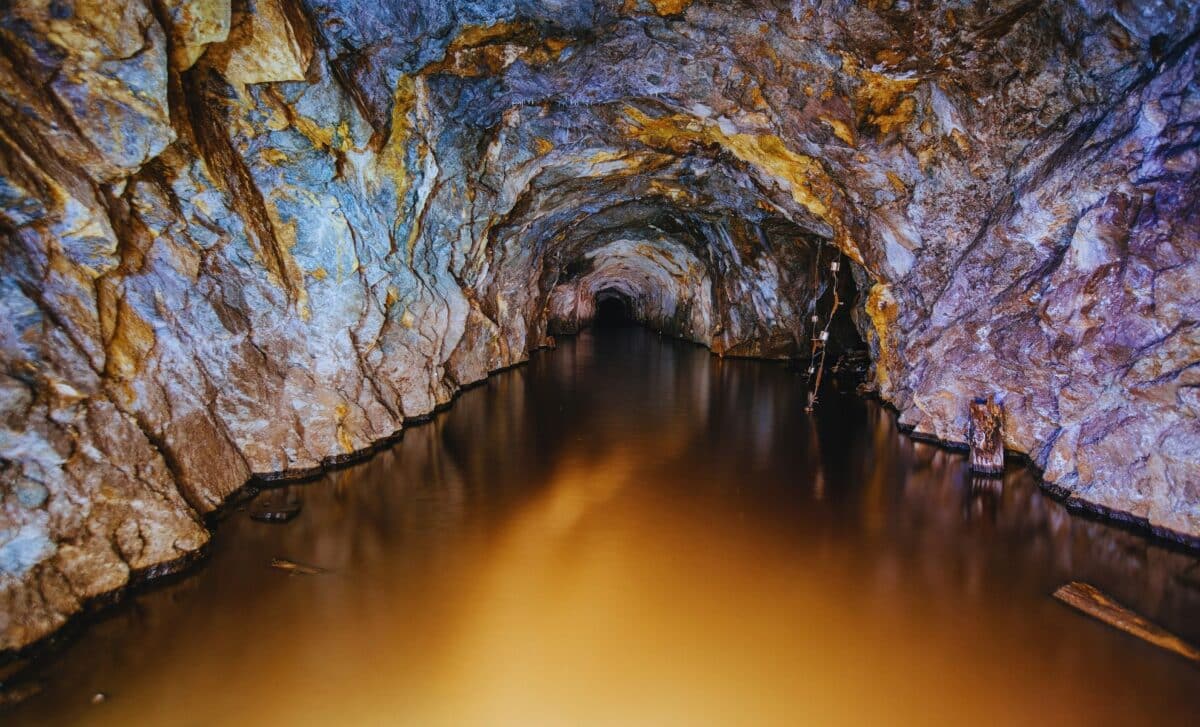
Scientists have found groundwater dating back 1.2 billion years in the Moab Khotsong gold and uranium mine, located in South Africa’s Witwatersrand Basin. The find, buried 3 kilometers beneath the Earth’s surface, is enriched with the highest concentrations of radiogenic products ever detected in groundwater.
This ancient groundwater offers a rare glimpse into subsurface conditions that have been sealed off from the outside world for billions of years. The presence of radioactive elements like uranium and thorium, common in mineral deposits, has enabled the fluid to accumulate distinctive radiogenic signatures.
Deep Earth Life: Energy and Microbes
The newly discovered groundwater, published in Nature Communications, holds significant insights into the lifeforms that could exist deep underground, where sunlight never reaches. According toDr. Oliver Warr, a researcher at the University of Toronto, the radiogenic reactions in the rocks surrounding the water break apart water molecules through a process known as radiolysis. This generates hydrogen, a crucial energy source for microbial communities thriving in the absence of sunlight. The radiation released by elements like uranium, thorium, and potassium triggers these reactions.
“Since the radiogenic reactions produce both helium and hydrogen, we can not only learn about helium reservoirs and transport, but also calculate hydrogen energy flux from the deep Earth that can sustain subsurface microbes on a global scale.” Dr. Warr explained.
The study of such environments could inform how similar microbial communities might survive on other planets, where conditions may also prevent sunlight from reaching the surface.
How They Track Underground Activity
The Moab Khotsong groundwater is rich in rare noble gases, including helium, neon, argon, and xenon, all of which were produced through radiogenic reactions. Of particular interest is the discovery of krypton-86, a never-before-seen tracer that provides an unprecedented understanding of these reactions. These gases are valuable because they help researchers track the movement of energy and materials within the Earth’s crust. The unique properties of helium and neon, which have very small masses, allow them to diffuse through solid materials, providing clues to how energy from deep Earth is transported.
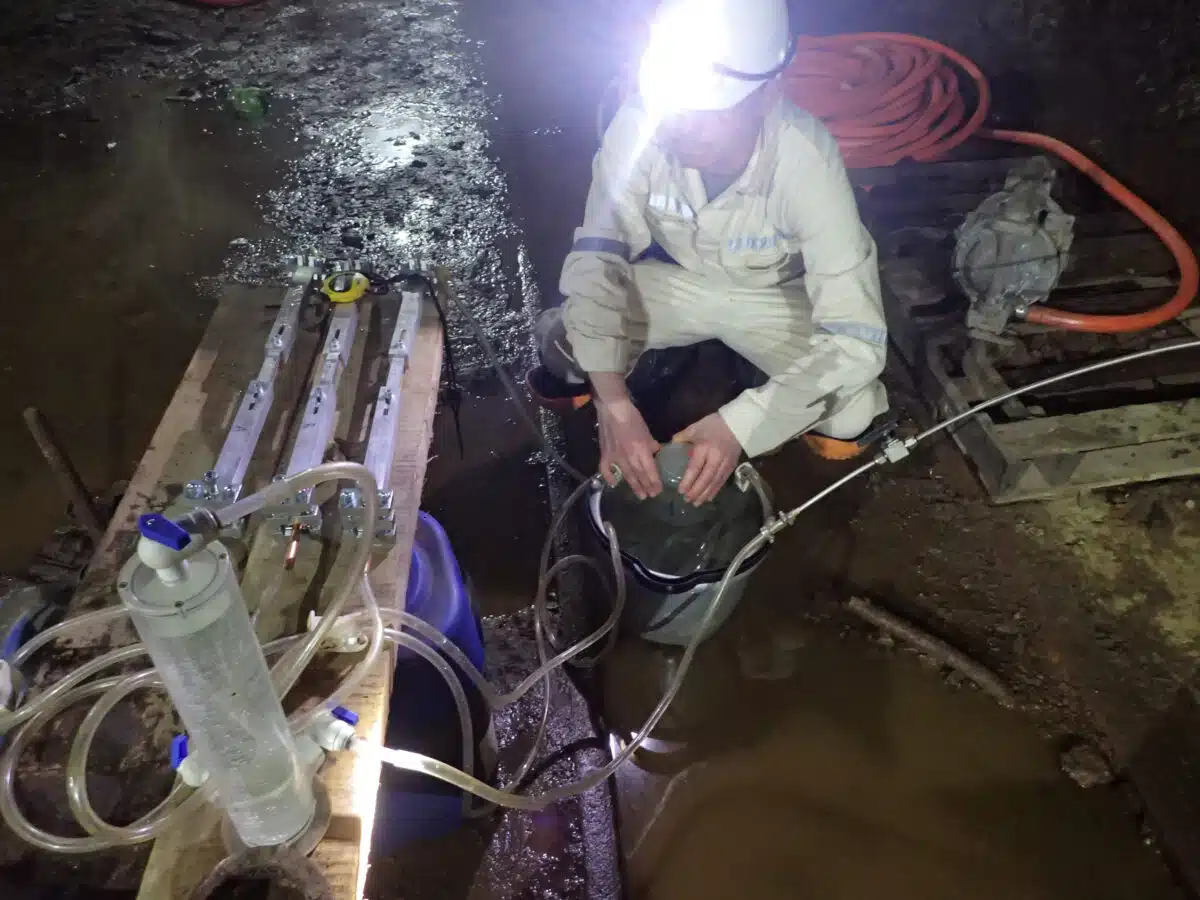
According to the study, diffusion is the process by which gases like helium and neon are slowly carried upward through the Earth’s crust, despite the extreme isolation of the groundwater. Researchers estimate that between 75 and 82 percent of the helium and neon produced by radiogenic reactions has migrated through the surrounding rock layers.
“As long as there is water and rock, you’ll see the production of helium and hydrogen — and that doesn’t necessarily mean this has to be taking place only on Earth,” Dr. Warr said. “If there is water on the subsurface of Mars or any other rocky planet, helium and hydrogen could be generated there too, leading to yet another energy source.”
Earth and Space: Unlocking New Frontiers
The ability of deep Earth systems to sustain microbial life without sunlight suggests that similar subsurface environments on Mars, Titan, or other moons in the Solar System could harbor life, even if surface conditions are inhospitable. As Dr. Warr noted:
“These calculations are vital for understanding how subsurface life is sustained on Earth, and what energy might be available from radiogenic-driven power on other planets and moons in the Solar System and beyond.”
By studying the processes that drive microbial life on Earth, scientists can develop better strategies for upcoming missions to places like Titan and Enceladus, where conditions may closely mirror those found deep within Earth’s crust. The research pointed to how radiogenic reactions affected ancient ecosystems below the surface.
First Appeared on
Source link






Leave feedback about this